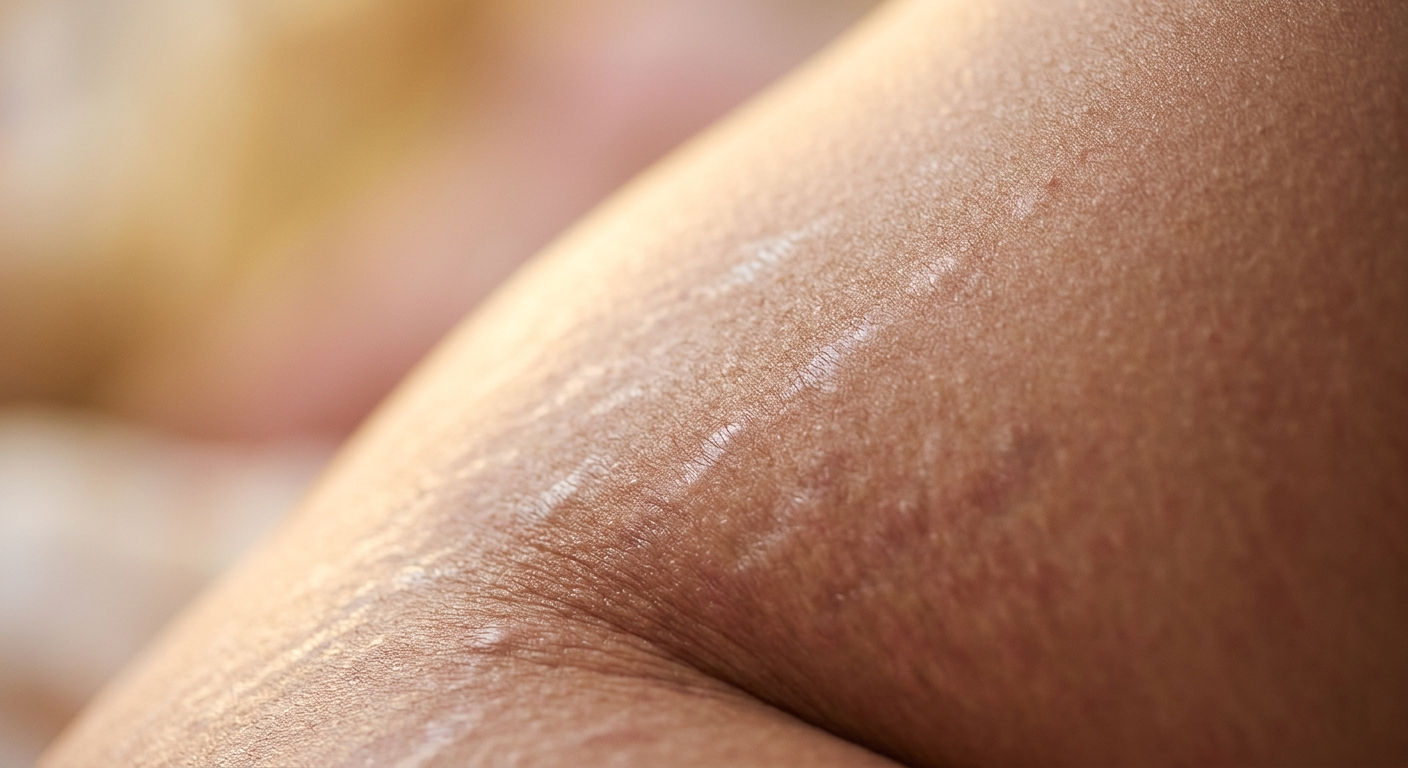
You've probably noticed them. Maybe on your own skin, or on someone you love. Those quiet, silvery lines tracing across a hip, a thigh, an abdomen, telling the story of a body that has grown, changed, stretched, and lived.
Stretch marks, medically known as striae distensae, are among the most common skin changes in the world. Studies suggest they affect up to 90% of pregnant women, 70% of adolescent girls, and 40% of boys during puberty. Yet despite their prevalence, stretch marks remain a source of anxiety, self-consciousness, and confusion for millions of people.
This guide is for everyone: the new mother running her fingers over her changed abdomen, the teenage boy who notices new lines on his shoulders, the woman returning to the gym after weight loss. Whether you want to understand, prevent, fade, or simply accept your stretch marks — you're in the right place.
QUICK SUMMARY
Key Facts at a Glance
• Stretch marks form when skin stretches faster than it can adapt
• They are permanent but often fade significantly over time
• Red/purple marks respond best to treatment; silver ones are more stable
• No single cream "removes" them, but many options can meaningfully improve appearance
• They are not medically dangerous and affect all body types, genders, and ages
What Are Stretch Marks?
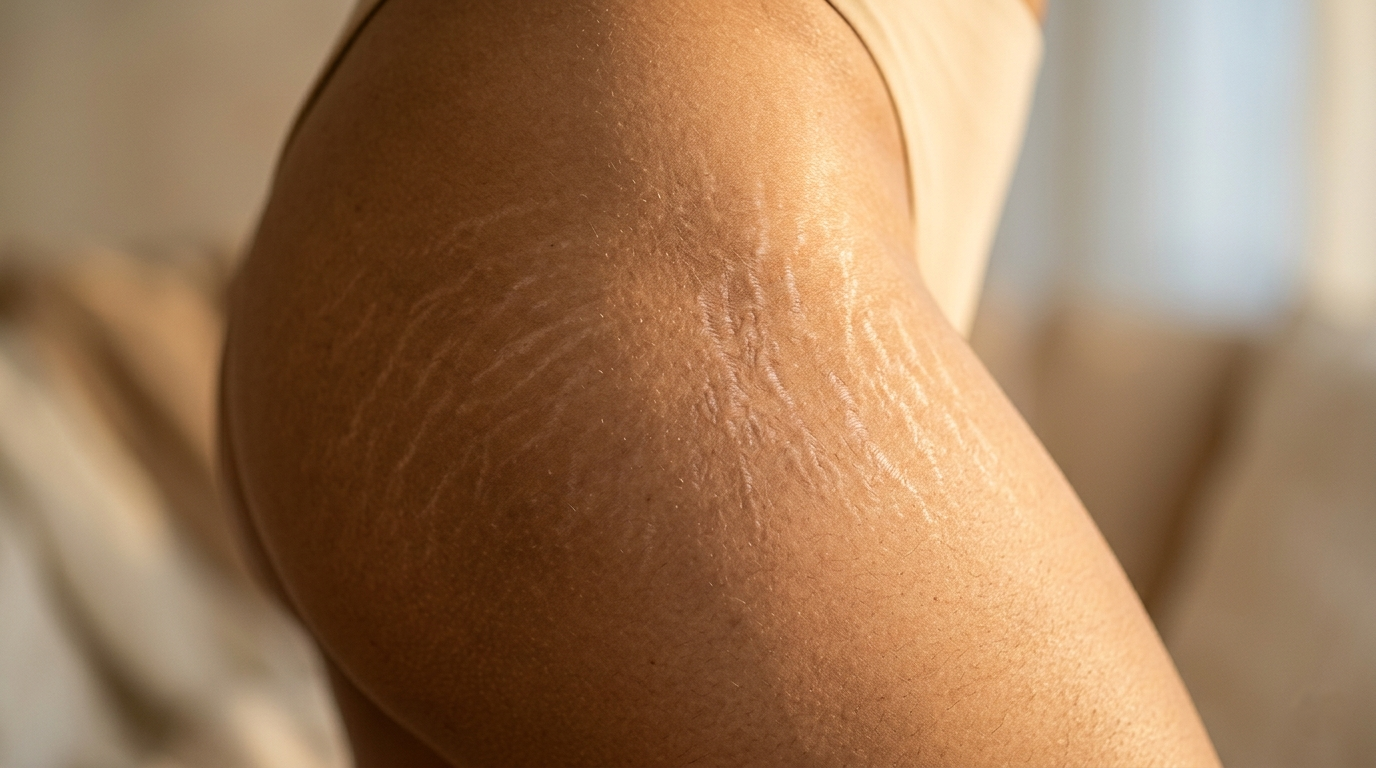
Stretch marks are a form of scarring in the dermis, the middle layer of skin, that occurs when the skin is pulled rapidly by growth or stretching. They appear as streaks or bands on the skin's surface, varying in colour from pink and red to purple, dark brown, or silvery-white depending on your skin tone and how long you've had them.
Unlike a wound scar, stretch marks don't break the skin's surface. Instead, they represent a disruption of the skin's internal structural fibres, collagen and elastin, which normally keep skin firm, flexible, and resilient.
The appearance of stretch marks is not a reflection of your health, hygiene, beauty, or worth. They are an incredibly common biological event, quiet proof that your body has adapted to life.
Why Stretch Marks Happen: The Hidden Science Beneath the Skin
 |  |
|---|
To understand stretch marks, we need to understand what healthy skin actually does. Your skin is not just a passive covering, it's a dynamic organ with remarkable elasticity. This elasticity comes from two key proteins:
Collagen
provides structure and tensile strength
Elastin
allows the skin to stretch and snap back
When the skin stretches faster than these proteins can regenerate or reorganise, the fibres tear within the dermis. Blood vessels beneath the skin become visible through these tears, which is why new stretch marks often appear red, pink, or purple. Over time, the blood vessels contract, and the marks fade to silver, white, or pale, a process that can take months or years.
SCIENCE NOTE
Cortisol's Hidden Role
Research also implicates the hormone cortisol. Elevated cortisol (from stress, rapid growth, or corticosteroid medications) reduces the number of fibroblasts in the skin, the cells responsible for producing collagen. Less collagen means less resilience, and a higher chance of stretch marks forming under pressure.
Genetics play a significant role too. If your mother had stretch marks during pregnancy, your likelihood of developing them is statistically higher. Your skin's baseline elasticity, collagen density, and hormonal response are all partly inherited traits.
DID YOU KNOW?
Stretch marks are almost identical in structure to surgical scars — the main difference is that they form beneath the skin's surface rather than through an external wound. This is why they respond to many of the same treatments used in scar therapy.
From Pregnancy to Weight Changes: Common Causes of Stretch Marks

Pregnancy
Pregnancy is the most well-known cause of stretch marks. As the uterus expands rapidly, especially during the second and third trimesters, the skin on the abdomen, breasts, hips, and thighs can stretch far faster than collagen fibres can adapt. Hormonal changes during pregnancy also reduce skin elasticity, compounding the effect.
Rapid Weight Gain or Loss
Significant weight fluctuations in either direction can trigger stretch marks. Weight gain stretches the skin outward; rapid weight loss can leave behind the marks formed during the expansion phase, now more visible as the skin volume decreases.
Adolescent Growth Spurts
Teenagers commonly develop stretch marks during puberty, one of the most overlooked causes. As the body rapidly grows taller, wider, and heavier, the skin struggles to keep pace. Boys often develop stretch marks on their shoulders and back; girls on their hips, thighs, and breasts.
Bodybuilding and Intense Exercise
Rapid muscle mass gain stretches the overlying skin just as quickly as fat gain does. Bodybuilders and athletes who experience fast growth cycles are particularly susceptible to stretch marks on the upper arms, chest, and thighs.
Corticosteroid Use
Long-term use of corticosteroid creams, pills, or injections can cause stretch marks by reducing collagen production in the skin.
Medical Conditions
Conditions such as Cushing's syndrome (cortisol excess) and Marfan syndrome (a connective tissue disorder) are associated with more severe stretch marks.
Common Areas Where Stretch Marks Appear
Stretch marks can appear anywhere skin is stretched, but certain areas are far more common:
Abdomen:
Most common in pregnancy; also affected during weight changes
Thighs:
Very common in women; puberty and weight gain
Hips and Buttocks:
Common in puberty and pregnancy in both genders
Upper Arms:
Frequent in men due to muscle growth
Chest and Breasts:
Puberty in girls; rapid weight or muscle gain in men
Lower Back:
Common in adolescent boys during growth spurts
Shoulders:
Particularly in male athletes and bodybuilders
Types and Stages of Stretch Marks
Stretch marks progress through distinct stages, each with different characteristics and treatment potential. The earlier you address them, the better the outcome.
Stage | Medical Name | Description |
Stage 1 | Striae Rubrae | Pink, red, or purple marks. Skin may feel slightly itchy or raised. BEST stage for treatment, skin is actively remodelling and responds well to retinoids, laser therapy, and collagen-boosting protocols. |
Stage 2 | Striae Violaceae | Deep purple or dark-coloured marks. The dermis inflammation becomes more established. Microneedling and prescription retinoids are still highly effective at this phase. |
Stage 3 | Striae Albae | Silver, white, or pale grey marks. Skin is slightly indented with reduced melanocytes. More resistant to treatment but can still be significantly improved. |
Stage 4 | Striae Nigrae / Caerulea | Dark brown (nigrae) or blue-grey (caerulea) on deeper skin tones. Requires particular care to avoid post-inflammatory hyperpigmentation from aggressive procedures. |
The Emotional Impact of Stretch Marks Nobody Talks About

For a mark that is so physically harmless, stretch marks carry a surprisingly heavy emotional weight. Research published in the British Journal of Dermatology has found that skin conditions, even those that are medically benign, can significantly affect body image, self-esteem, and quality of life.
Women report avoiding swimwear, intimate relationships, or social situations because of stretch marks. Teenagers describe feeling embarrassed in locker rooms. Men who develop stretch marks from bodybuilding may feel their marks undermine the aesthetic they worked hard to achieve.
A NOTE OF REASSURANCE
You Are Not Alone
Stretch marks are found on the skin of billions of human beings across every culture, age group, and body type. The feeling that they are unusual or shameful is amplified by image-editing culture online, not by reality. Many people find, with time, that their relationship with their marks shifts from distress to neutrality to even appreciation. That journey is valid and possible.
If your stretch marks cause significant psychological distress, it is worth speaking with both a dermatologist (who can discuss treatment options) and a therapist or counsellor (who can help you develop a healthier relationship with your body). These two approaches work powerfully together.
Risk Factors: Who Is Most Susceptible?
Certain factors meaningfully increase your likelihood of developing stretch marks:
Female sex:
women are more prone during pregnancy and puberty, though men are far from immune
Family history:
a genetic predisposition to lower skin elasticity
Being pregnant:
particularly with multiple pregnancies or a large baby
Rapid weight changes:
either gain or loss over a short period
Young age:
skin during puberty is more susceptible to stretch marks than mature skin
Long-term corticosteroid use:
Oral, topical, or injected
Certain medical conditions:
Cushing's disease, Marfan syndrome, Ehlers-Danlos syndrome
Low collagen diet or nutrient deficiencies:
Particularly Vitamin C, zinc, and protein
DID YOU KNOW?
Stretch marks are more common in higher-income countries — not because of wealth itself, but because of the dietary patterns, sedentary lifestyles, and hormonal influences associated with modern life.
Daily Habits That May Prevent New Stretch Marks
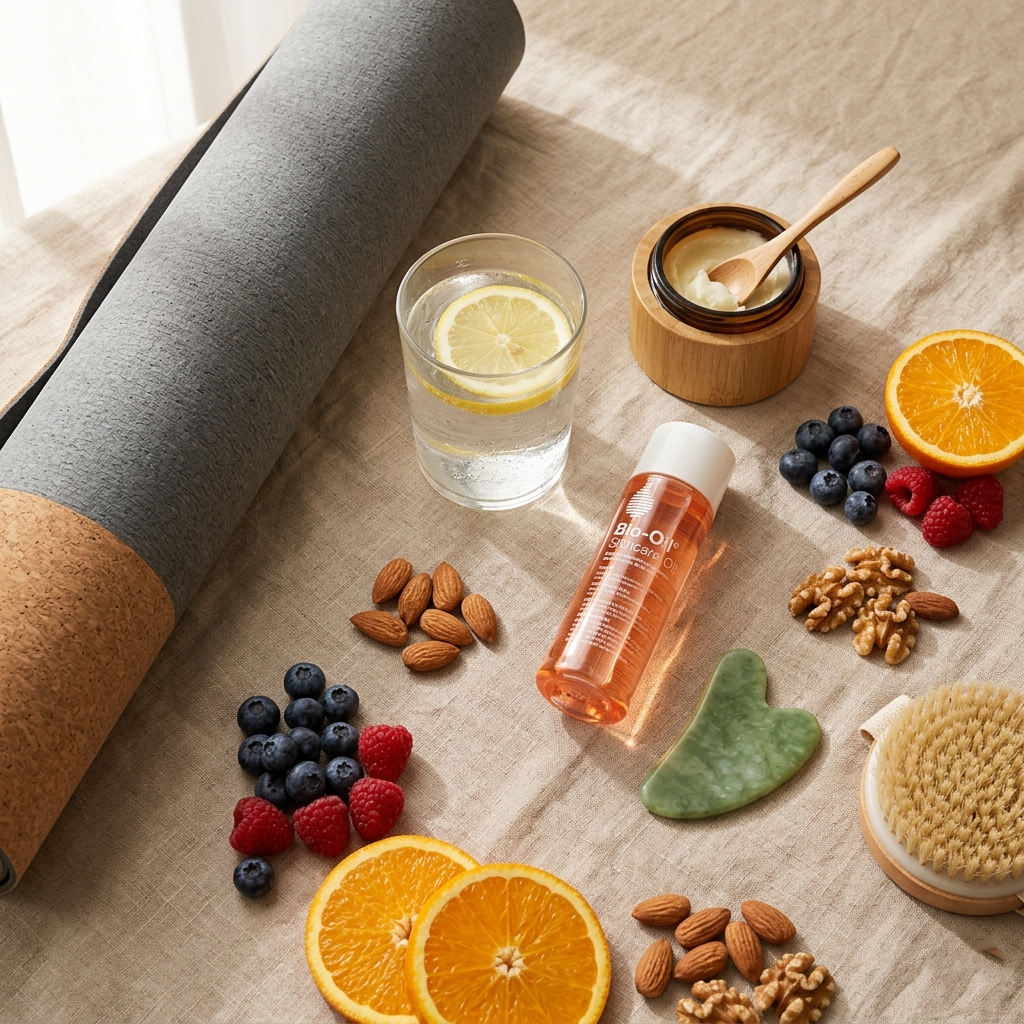
While no method guarantees complete prevention, especially when genetic factors are involved, the following strategies meaningfully reduce risk:
1. Manage Weight Gradually
The speed of skin stretching matters more than the total amount. Slow, steady weight gain during pregnancy (following your healthcare provider's guidelines) and gradual weight changes at other times give collagen fibres time to adapt. Aim for no more than 0.5–1kg of weight change per week outside of pregnancy.
2. Moisturise Consistently
Moisturisers keep the epidermis supple and may reduce the itching associated with skin stretching. Look for products containing hyaluronic acid, shea butter, centella asiatica, or tretinoin.
3. Stay Hydrated
Skin that is well-hydrated from within is more pliable and elastic. Aim for 2–3 litres of water per day, more if you exercise heavily or live in a hot climate.
4. Eat for Skin Elasticity
A diet rich in collagen precursors, Vitamin C, zinc, protein, and amino acids like glycine and proline, supports the skin's ability to stretch without tearing.
5. Protect Your Skin from Cortisol Spikes
Chronic stress increases cortisol, which directly impairs collagen production. Incorporating yoga, meditation, and adequate sleep is beneficial not just mentally but actively good for your skin.
Natural Oils, Vitamins, and Home Remedies That Actually Help
While no natural remedy can "erase" stretch marks entirely, several have genuine evidence behind them for reducing their appearance, particularly when used consistently on newer, redder marks.
Rosehip Oil [Natural]
Rich in trans-retinoic acid and essential fatty acids. Clinical studies show it can slow stretch mark development and fade discolouration when applied twice daily. Strong evidence for early-stage marks.
Centella Asiatica (Cica) [Natural]
Boosts collagen synthesis and reduces inflammation. Featured in many clinically-tested stretch mark creams. Clinically supported with growing evidence base.
Aloe Vera Gel [Natural]
Contains glucomannan and gibberellin that stimulate collagen production. Best used fresh from the plant or in pure gel form. Moderate evidence; consistent use needed.
Vitamin E Oil [Natural]
A fat-soluble antioxidant that reduces oxidative damage to skin cells. Often combined with other oils for enhanced penetration and effectiveness. Moderate evidence.
Shea Butter [Natural]
High in vitamins A and F, with excellent skin-barrier and moisturising properties. Popular during pregnancy for its gentle, nourishing profile. Primarily preventive and supportive.
Coconut Oil [Natural]
Deeply moisturising, with lauric acid that supports skin-barrier repair. No direct clinical proof for stretch marks, but popular and skin-safe for most people.
APPLICATION TIP
How to Apply Natural Oils for Best Results
Apply oils to damp skin immediately after a shower, this seals in moisture more effectively. Use circular massage motions for 2–3 minutes per area. Consistency over 3–6 months is more important than any single product choice. Pair with a gua sha tool or dry brush for improved circulation and penetration.
Can Foods Really Help Fade Stretch Marks? What the Science Says

What you eat directly influences your skin's ability to produce collagen, maintain hydration, and repair damage. While food alone won't erase existing stretch marks, a consistent diet rich in skin-supportive nutrients meaningfully supports both prevention and healing.
🍊 Citrus Fruits
Vitamin C is essential for collagen synthesis. Without it, collagen production stalls entirely. Eat oranges, lemons, and guava daily.
🐟 Fatty Fish (Salmon, Mackerel)
Omega-3 fatty acids reduce inflammation and support skin cell membrane integrity. Aim for 2 servings per week.
🥑 Avocado
Rich in Vitamins E and C, biotin, and healthy fats that keep skin supple and well-nourished from within.
🥚 Eggs
Provide proline and glycine: two amino acids critical for collagen structure. Also contain biotin for skin health.
🍠 Sweet Potato
High in beta-carotene, which converts to Vitamin A, essential for skin cell turnover and repair.
🌿 Leafy Greens
Spinach and kale provide Vitamins C, K, and folate, all supporting skin repair and elasticity.
🫘 Beans & Lentils
Plant-based protein plus zinc, which supports collagen synthesis and wound healing in skin tissue.
🫐 Berries
Anthocyanins and Vitamin C in blueberries and raspberries protect collagen from oxidative damage.
🥩 Bone Broth
One of the richest dietary sources of collagen peptides, hyaluronic acid, and glycine for skin support.
SUPPLEMENT CORNER
Collagen Supplements: Worth It?
Hydrolysed collagen peptides (10g/day) have been shown in several randomised controlled trials to improve skin elasticity and hydration within 8–12 weeks. While not a specific "stretch mark cure," supporting systemic collagen levels is a reasonable addition to your skin health routine. Look for marine or bovine collagen with added Vitamin C for optimal absorption.
Best Dermatologist-Approved Treatments for Stretch Marks
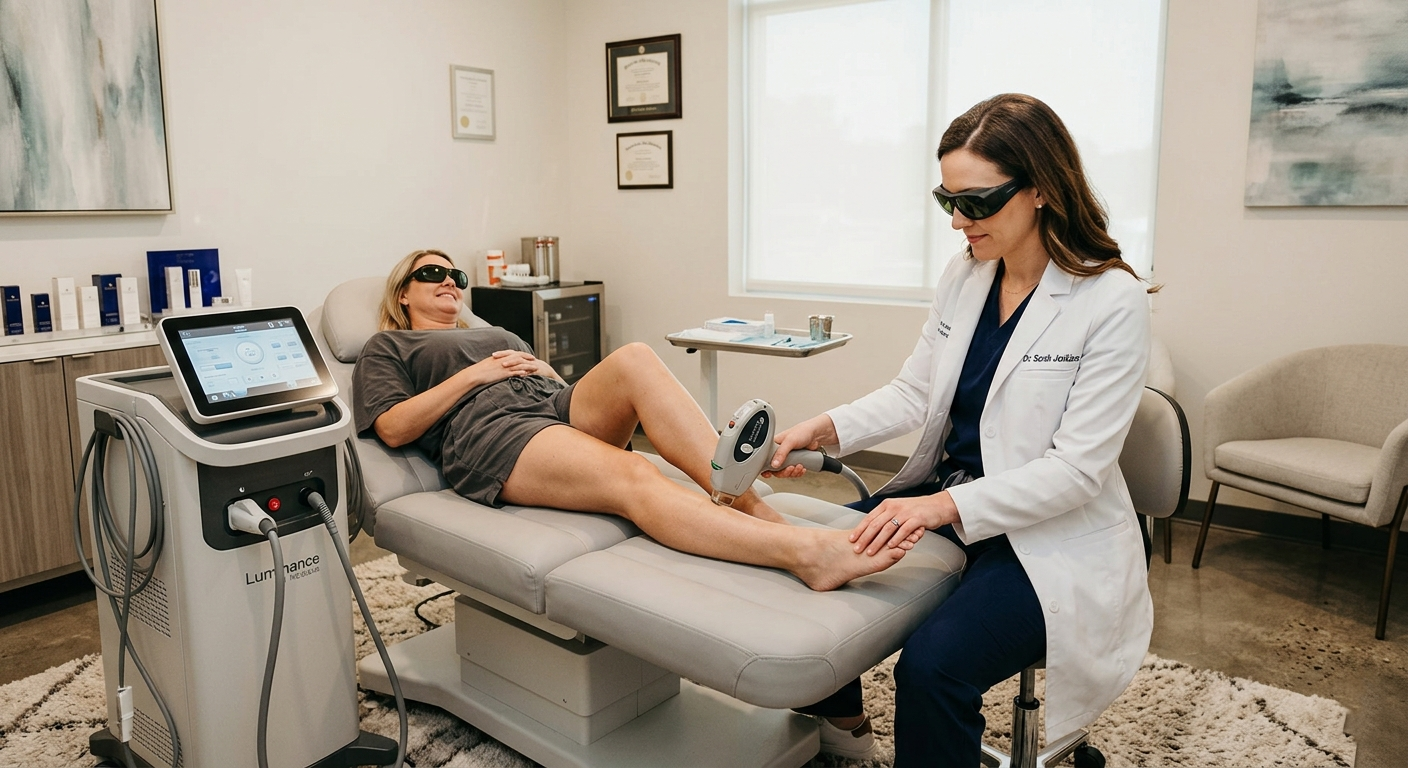 |  |
If natural approaches and home care haven't produced the results you're looking for, there are several evidence-based clinical treatments that can make a significant difference, particularly for early-stage marks.
Tretinoin (Retinoid) Cream [Medical]
Prescription retinoid that stimulates collagen production and skin cell turnover. Most effective on red/purple marks. Not safe during pregnancy. HIGH evidence, best on early marks.
Fractional Laser (Fraxel) [Medical]
Creates microscopic channels in the skin, triggering intensive collagen remodelling. Can significantly improve both red and white stretch marks after multiple sessions. HIGH evidence.
Pulsed Dye Laser (PDL) [Medical]
Specifically targets blood vessels in red/pink stretch marks. Highly effective for early striae rubrae; less useful for mature silver marks. STRONG evidence for red marks.
Microneedling (RF) [Medical]
Tiny needles (with or without radiofrequency energy) create controlled micro-injuries stimulating collagen and elastin. Safe for all skin tones, effective at all stages. STRONG evidence.
Chemical Peels [Medical]
Glycolic acid or TCA peels accelerate cell turnover. More effective on early marks and when combined with other treatments. MODERATE evidence, best combined.
PRP (Platelet-Rich Plasma) [Medical]
Your own blood plasma, concentrated and injected to deliver growth factors that stimulate natural skin repair. EMERGING evidence, growing body of support.
IMPORTANT NOTE
Realistic Expectations
No treatment — clinical or natural — will make stretch marks completely invisible. The goal is meaningful improvement in texture, colour, and overall appearance. Before undertaking any clinical treatment, consult with a board-certified dermatologist who can assess your specific marks, skin tone, and medical history.
How to Boost Collagen Naturally: Home-Based Skin Care
You don't have to visit a clinic to make a meaningful difference. These home-based approaches, when applied consistently over weeks and months, can improve stretch mark appearance and support overall skin health.
Dry brushing
Use a natural-bristle brush before showering. This stimulates circulation, promotes lymphatic drainage, and encourages cell turnover. Brush in gentle, circular motions toward the heart.
Gua sha body massage
A jade or rose quartz gua sha tool used with oil can improve local blood flow and product penetration. A 5-minute daily routine applied to stretch marks is a worthwhile habit.
Retinol serums (OTC)
Over-the-counter retinol (0.025%–0.1%) is a gentler alternative to prescription tretinoin. Use at night, start slowly to avoid irritation, and always use SPF in the morning.
Hyaluronic acid application
HA attracts and holds water in the skin. Applied to damp skin and sealed with an oil or moisturiser, it plumps and smoothes the texture of stretch marks over time.
Niacinamide
A form of Vitamin B3 that improves skin elasticity, fades pigmentation, and strengthens the skin barrier. Look for 5–10% formulations.
Targeted massage
Simply massaging the stretch mark area with any oil for 5 minutes daily improves blood flow, encourages collagen production, and can improve skin texture over time.
Exercise, Hydration, and the Skin Connection

Exercise improves stretch mark appearance indirectly through several mechanisms: it boosts circulation (delivering nutrients to skin cells), supports healthy body composition, and reduces cortisol levels with consistent moderate-intensity training. Additionally, strength training that builds muscle gradually, rather than in rapid bursts, gives the skin time to adapt.
Hydration is perhaps the most underestimated factor in skin health. The dermis is approximately 70% water. Even mild dehydration reduces skin elasticity and slows cellular repair.
SKINCARE TIP
The Hydration-Inside-Out Approach
• Drink water throughout the day, not in large bursts
• Add electrolytes (sodium, magnesium, potassium) to support cellular water retention
• Apply hyaluronic acid topically to damp skin for maximum moisture-locking
• Reduce alcohol and caffeine intake, which dehydrate skin tissue
• Use a humidifier in dry environments to maintain skin moisture levels
Separating Stretch Mark Myths from Medical Facts
❌ MYTH | ✓ FACT |
Only women get stretch marks | Men develop stretch marks too — especially during puberty and muscle building |
Drinking more water removes stretch marks | Hydration supports skin health and prevention, but won't fade existing marks |
Cocoa butter prevents pregnancy stretch marks | Large clinical trials found cocoa butter no more effective than plain moisturiser for prevention |
Stretch marks can be completely removed | They are permanent but can be substantially faded with the right treatment |
Only overweight people get stretch marks | Rapid growth at any weight — including in lean athletes and teenagers — causes them |
Laser therapy always works | Results vary by skin tone, mark age, and type of laser. Dermatologist assessment is essential |
Natural oils = same results as laser | Natural oils offer gentle support; clinical treatments produce more significant results |
Stretch marks always fade on their own | They do fade from red to silver, but rarely disappear entirely without intervention |
Stretch Marks in Teenagers, Men, and Pregnant Women
In Teenagers
Puberty-related stretch marks are extremely common and often underacknowledged. They are not a sign of being overweight or unhealthy, they are a normal sign of rapid growth. The best approach for teenagers is gentle reassurance, consistent moisturising, and if desired, topical retinol once the growth phase stabilises.
In Men
Men develop stretch marks during puberty, from rapid weight changes, and from bodybuilding. Yet male stretch marks are rarely discussed in mainstream skincare, leaving many men to feel alone with a concern that affects millions. All the same treatment approaches apply, retinoids, laser, microneedling, and consistent topical care.
In Pregnant Women
Key recommendations include: beginning a consistent moisturising routine from the first trimester, managing pregnancy weight gain according to medical guidelines, and using centella asiatica or rosehip oil-based products. Most pregnancy-safe options exclude retinoids, always check with your midwife or obstetrician before using any new skincare product during pregnancy.

When to Seek Professional Help
Stretch marks are not a medical emergency, but there are circumstances where consulting a dermatologist or doctor is the right step:
Your stretch marks are new, severe, and widespread without an obvious cause
They are accompanied by unusual symptoms such as extreme skin thinning, easy bruising, or marks on unusual areas like the face
You suspect a medical condition such as Cushing's syndrome
Your stretch marks are causing significant psychological distress affecting daily life, relationships, or self-image
You want to explore clinical treatment options and need professional guidance on what is safest for your skin type
AUTHORITY REFERENCES
Recommended External Resources
• American Academy of Dermatology (aad.org) — stretch mark treatment guidelines
• British Association of Dermatologists (bad.org.uk) — patient information leaflets
• NIH/PubMed — Clinical review of striae distensae (PMCID: PMC4462752)
Frequently Asked Questions About Stretch Marks
Q: Can stretch marks go away completely?
Stretch marks are permanent changes to the dermis and are unlikely to disappear entirely on their own. However, they can fade dramatically over time, from vivid red or purple to faint, skin-tone-blending silver. With consistent clinical treatments such as fractional laser or microneedling, many people achieve significant improvement that makes marks barely noticeable.
Q: What is the fastest way to get rid of stretch marks?
There is no instant solution, but clinical treatments produce the fastest results. For red/early marks, pulsed dye laser and prescription tretinoin show the quickest improvement. Fractional laser and microneedling work well at all stages. "Fastest" in realistic terms means 3–6 months of consistent treatment — not days or weeks.
Q: Are stretch marks genetic?
Yes, genetics play a significant role. If your parents — particularly your mother — developed stretch marks, your risk is higher. This appears to relate to inherited collagen density and skin elasticity. However, lifestyle, nutrition, and the speed of skin stretching also matter greatly.
Q: Do stretch marks mean I am unhealthy?
Absolutely not. Stretch marks are found on people of all health statuses, body types, and fitness levels. Many elite athletes have stretch marks from rapid muscle growth. They are a structural skin response, not a health marker.
Q: Is tretinoin safe for stretch marks during pregnancy?
No. Tretinoin and all prescription retinoids are contraindicated during pregnancy due to the risk of fetal harm. Safer alternatives include centella asiatica, hyaluronic acid, and shea butter-based products. Always consult your midwife or OB-GYN before using any skincare product during pregnancy.
Q: How long does it take for stretch marks to fade naturally?
Natural fading typically takes between 6 months and 2 years, depending on skin tone, age, and the severity of the marks. Most transition from red/purple to lighter silver or white over this period. Consistent moisturising and topical treatments can accelerate this process modestly.
Q: Can sunbathing make stretch marks worse?
Yes and no. The stretch mark itself won't tan — because it lacks melanocytes — so UV exposure makes stretch marks more visible by contrast. UV damage also breaks down collagen and elastin, worsening overall skin health. Always use SPF on areas with stretch marks when exposed to sunlight.
Q: What foods help reduce stretch marks?
Foods that support skin elasticity and collagen synthesis include: citrus fruits (Vitamin C), fatty fish (Omega-3s), eggs (collagen amino acids), avocado (Vitamins E and C), sweet potato (Vitamin A), berries (antioxidants), leafy greens (Vitamins C and K), and bone broth (collagen peptides).
Your Skin Tells Your Story — A Final Word
CLOSING MESSAGE
Your Skin Tells Your Story
Stretch marks are not imperfections. They are evidence — of growth, of resilience, of a body that has expanded to meet life's demands. Whether you choose to treat them, fade them, or wear them with pride, the most important thing is that your relationship with your skin is one of kindness and respect.
You deserve accurate information, compassionate care, and the confidence to make choices that feel right for your body. That is what this guide is here to support.
Medical Disclaimer: This article is for informational purposes only and does not constitute medical advice. Always consult a qualified healthcare professional or board-certified dermatologist before starting any new treatment for stretch marks, particularly if you are pregnant, breastfeeding, or have an underlying medical condition.