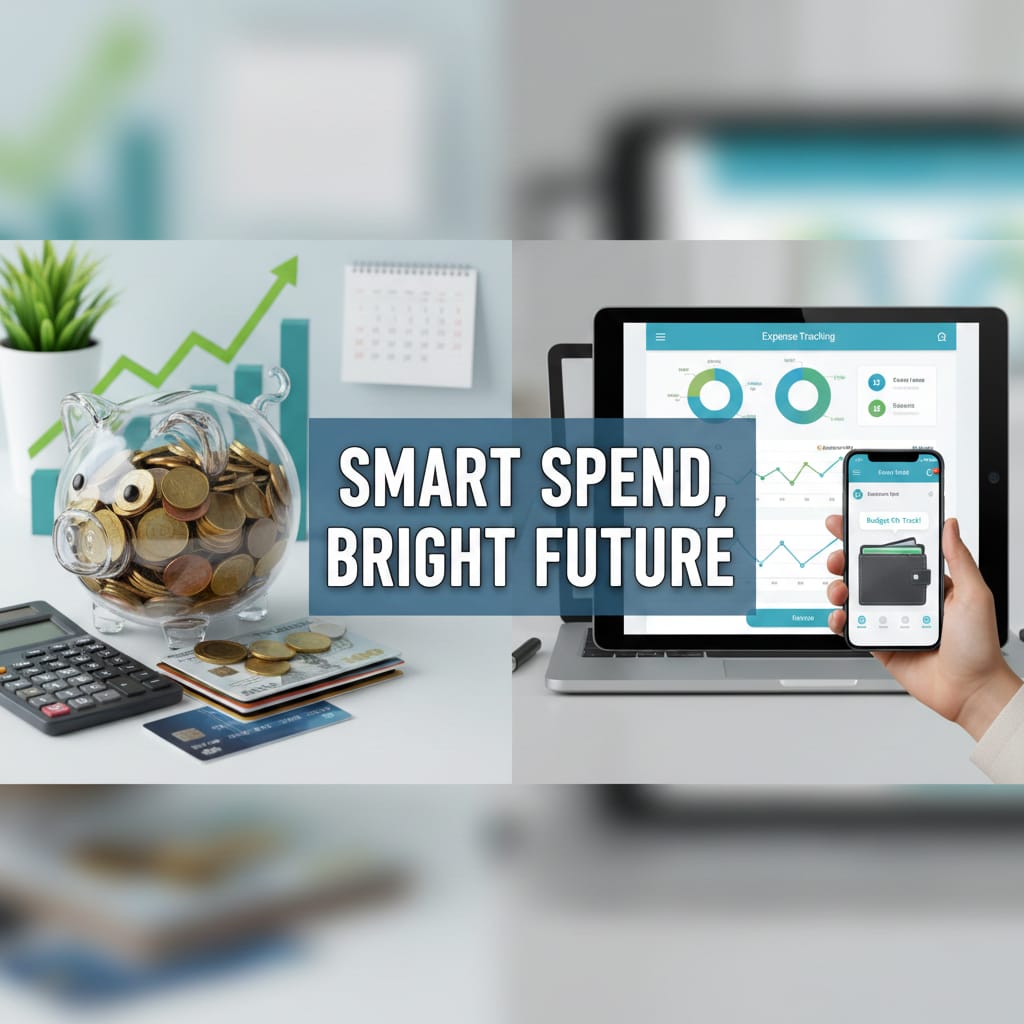
Budgeting and expense management are essential skills for effective financial planning. In a world of rising costs and limited income, managing money wisely helps individuals and families meet their needs, achieve financial goals, and maintain financial stability. A proper budget allows people to control their spending instead of being controlled by it.
Budgeting is the process of creating a plan for how income will be spent, saved, and invested over a specific period of time. It helps individuals track their earnings and allocate money to different expenses such as food, housing, education, transportation, and savings.
Expense Management
Expense management refers to the practice of monitoring, analyzing, and controlling spending. It involves identifying unnecessary expenses, reducing wasteful spending, and ensuring that money is used efficiently to meet financial priorities.
Importance of Budgeting and Expense Management
1. Financial Control: Budgeting helps individuals understand where their money goes and prevents overspending.
2. Achieving Financial Goals: Proper expense management enables saving for short-term and long-term goals such as education, emergencies, or retirement.
3. Reducing Financial Stress: When expenses are planned, individuals experience less anxiety about money and unexpected costs.
4. Encouraging Savings: Budgeting promotes regular saving habits and builds financial discipline.
5. Avoiding Debt: Effective expense management reduces reliance on loans and credit cards.
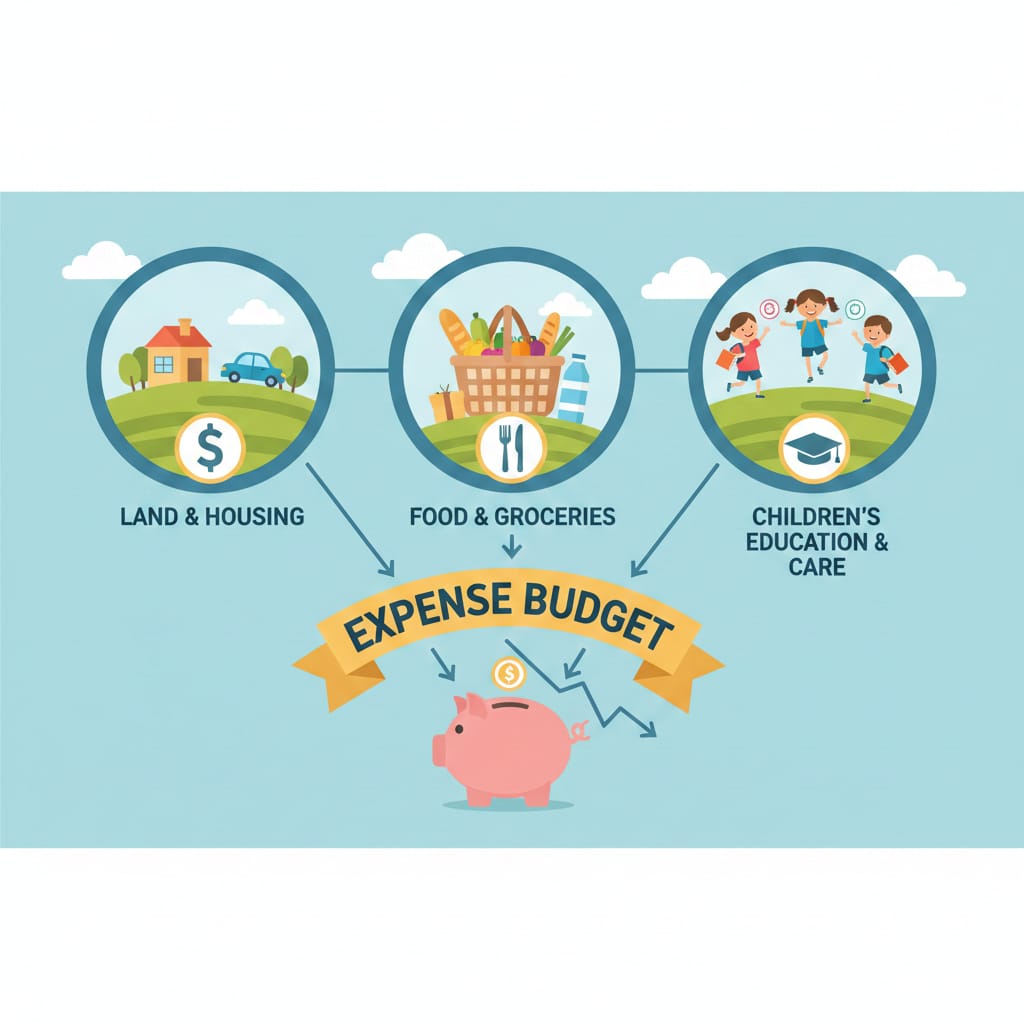
Types of Expenses
Fixed expenses: Rent, loan payments, insurance
Variable expenses: Food, utilities, transportation
Discretionary expenses: Entertainment, travel, luxury items
Emergency expenses: Medical costs, urgent repairs.
Understanding these categories helps in prioritizing spending.
Steps in Budgeting
1. Identify sources of income
2. List all monthly expenses
3. Categorize expenses
4. Compare income with expenses
5. Set spending limits
6. Allocate money for savings
7. Review and adjust the budget regularly
Techniques for Expense Management
* Maintaining expense records
* Setting spending limits
* Avoiding impulse purchases
* Comparing prices before buying
* Using cash or digital tracking tools
* Reviewing expenses periodically

Role of Technology in Budgeting
Modern technology offers tools such as budgeting apps, spreadsheets, and online banking features that help track income and expenses in real time. These tools make budgeting easier, more accurate, and more accessible. Budgeting and expense management play a crucial role in achieving financial stability and long-term wealth. By planning income, controlling expenses, and making informed financial decisions, individuals can improve their quality of life and secure their financial future. Developing good budgeting habits is not just a financial practice but a lifelong skill.