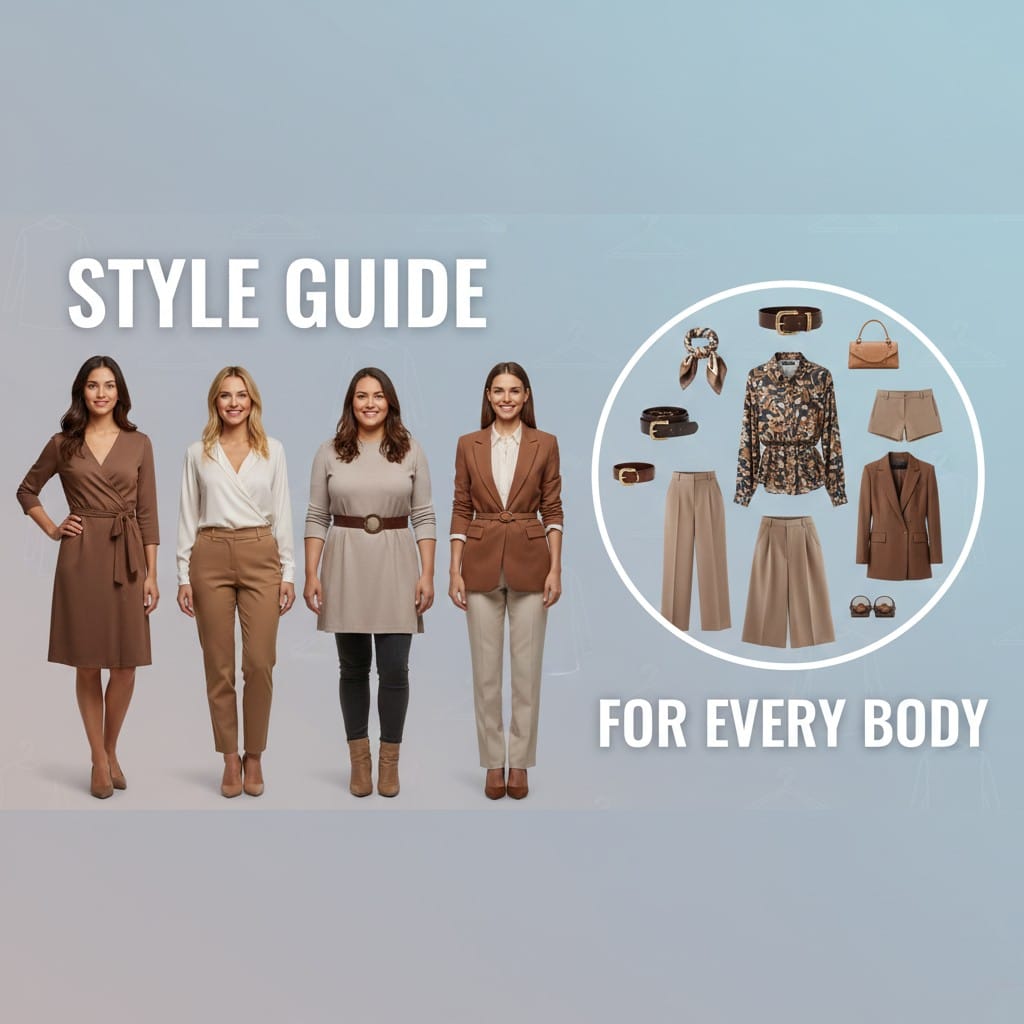
Styling for Body Types
Styling for body types is the practice of choosing clothing that enhances natural proportions and creates visual balance. The goal is not to “fix” the body, but to work with its shape—highlighting strengths, improving comfort, and supporting confidence. Understanding body types helps individuals make informed fashion choices while respecting diversity in shape and size.
Understanding Body Types
Body types are generally categorized by the relationship between shoulders, waist, and hips. While most people do not fit perfectly into one category, these frameworks serve as helpful styling guides.
The most commonly referenced body types include:
* Hourglass
* Pear (Triangle)
* Apple (Round)
* Rectangle
* Inverted Triangle
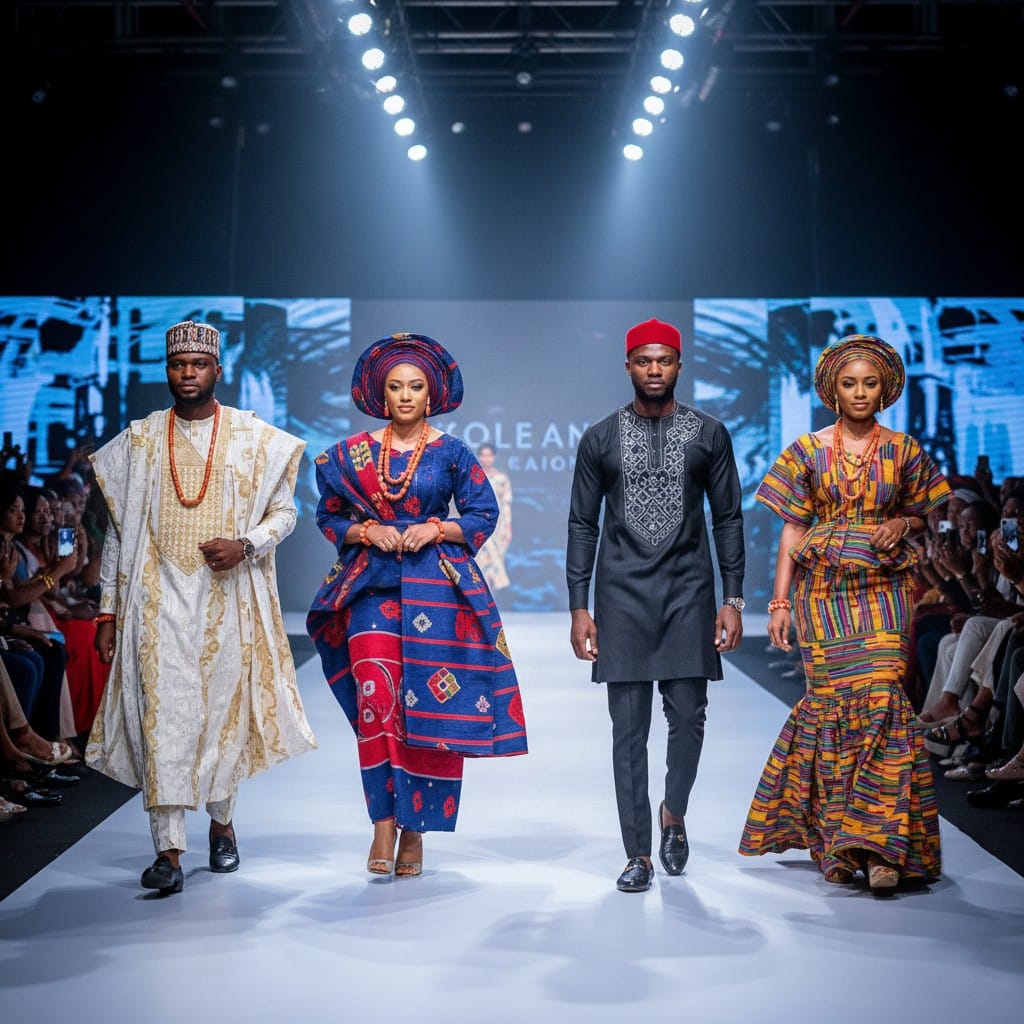
1. Hourglass Body Type
Characteristics:
* Balanced shoulders and hips
* Defined waist
Styling Principles:
* Emphasize the waist
* Maintain natural balance
Recommended Styles:
* Fitted dresses and wrap dresses
* High-waisted skirts and pants
* Tailored blazers
Avoid:
* Boxy silhouettes that hide the waist
* Oversized clothing with no structure
2. Pear (Triangle) Body Type
Characteristics:
* Hips wider than shoulders
* Defined waist
Styling Principles:
* Balance the lower body by adding volume or structure to the upper body
* Draw attention upward
Recommended Styles:
* Statement tops, puff sleeves, or boat necklines
* A-line skirts and wide-leg trousers
* Light or bright colours on top, darker colours on bottom
Avoid:
* Skinny jeans paired with tight tops
* Heavy detailing around the hips
3. Apple (Round) Body Type
Characteristics:
* Fuller midsection
* Slimmer legs and arms
* Less defined waist
Styling Principles:
* Create the illusion of a waist
* Draw focus away from the midsection
Recommended Styles:
* Empire-waist dresses
* V-neck or scoop-neck tops
* Structured outerwear worn open
* Straight or bootcut pants
Avoid:
* Clingy fabrics around the stomach
* High necklines that shorten the torso
4. Rectangle Body Type
Characteristics:
* Shoulders, waist, and hips are similar in width
* Minimal curves
Styling Principles:
* Create shape and dimension
* Add volume strategically
Recommended Styles:
* Belted dresses and jackets
* Layered outfits
* Ruffles, pleats, and textured fabrics
* Peplum tops
Avoid:
* Straight, shapeless silhouettes from head to toe
5. Inverted Triangle Body Type
Characteristics:
* Broad shoulders
* Narrow hips
Styling Principles:
* Soften the upper body
* Add volume to the lower body
Recommended Styles:
* V-neck or wrap tops
* A-line skirts and wide-leg pants
* Minimal shoulder detailing
Avoid:
* Shoulder pads, boat necks, or high necklines
* Heavy embellishment on the upper body
-General Styling Guidelines
* Fit is more important than size
* Tailoring can transform any garment
* Color, fabric, and texture influence proportions
* Personal style, comfort, and confidence should always come first
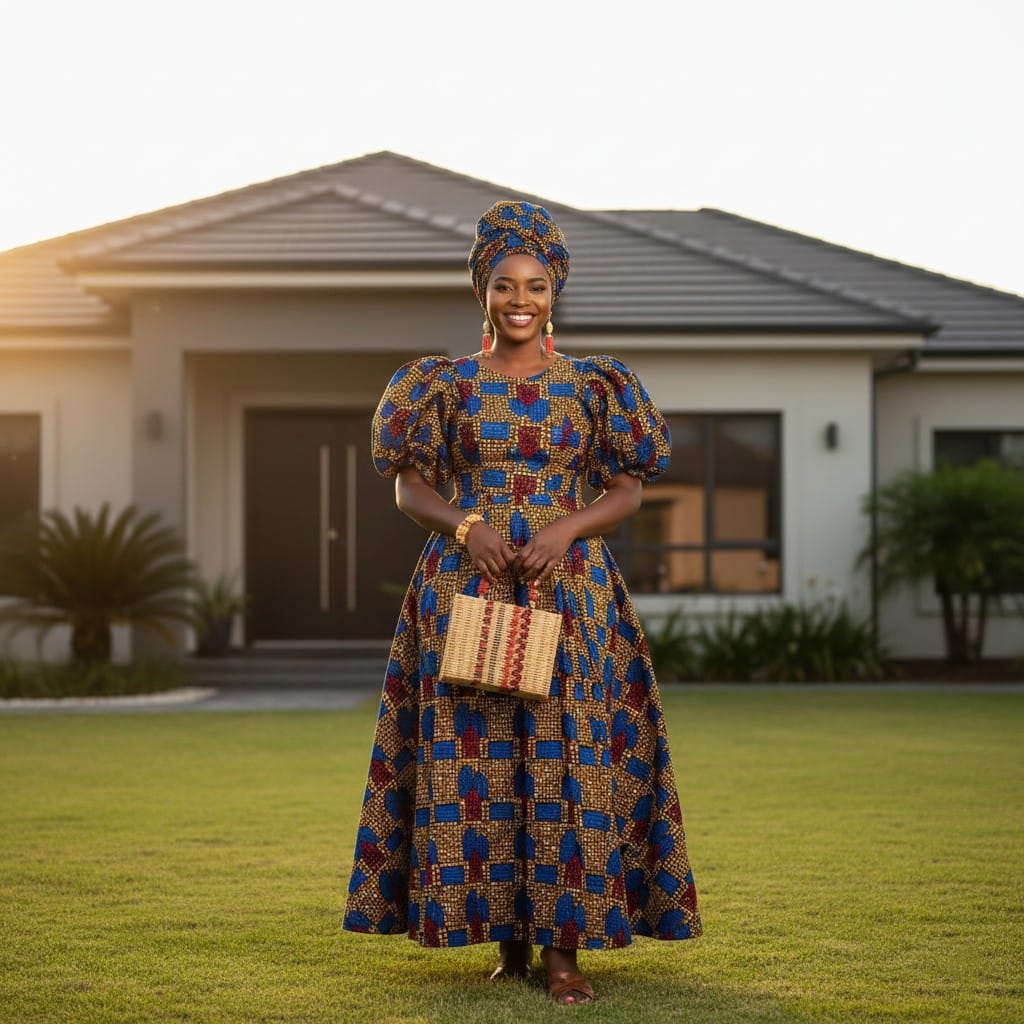
Modern Perspective
While body-type styling remains a useful tool, contemporary fashion emphasizes self-expression and inclusivity. These guidelines are not rules but options—individuals are encouraged to experiment and adapt them to their personal identity and lifestyle.
Styling for body types helps people understand proportion and balance in fashion. When applied thoughtfully, it empowers individuals to dress intentionally, feel confident, and develop a stronger personal style. Fashion works best when it supports the wearer—not when it limits them.