Let me be brutally honest with you: I'm tired of the garbage advice floating around the internet. You know the kind: "Just invest $10,000 and follow your passion!" or "Get a business loan and hire a team!"
Yeah, right. Because we all have ten grand just sitting around, waiting to be thrown at a dream that might not work out.
Here's the truth nobody wants to tell you: You don't need thousands of dollars to start a business. You need $100, a functioning brain, and the guts to actually do something.

I know what you're thinking. "This sounds like another clickbait promise." I get it. You've been burned before. But stick with me, because I'm about to show you exactly how real people, not trust fund kids or tech geniuses, are building legitimate businesses with pocket change.
Why $100? Why Not Zero?
I could tell you to start with absolutely nothing. And technically, you could. But here's what I've learned after watching hundreds of people try to launch businesses: having a tiny bit of skin in the game changes everything.
When you invest $100 of your own money, even if it's your last $100, you take yourself seriously. You stop making excuses. You stop waiting for the "perfect moment." You start moving.
That $100 isn't just money. It's your commitment to yourself. It's your declaration that you're done talking and ready to build.
Quick Stats Box:
Starting Capital: $100
Days to Launch: 7
Business Models Available: 4
Success Rate: Higher than you think
The Businesses You Can Actually Start Today
Forget the fancy business plans and PowerPoint presentations. Here are real businesses you can launch this week with $100 or less:
1. Digital Service Business ($0-$50 startup)
This is where most people should start, and here's why: You're selling your skills, not products. No inventory. No shipping. No complicated logistics.
What you need:
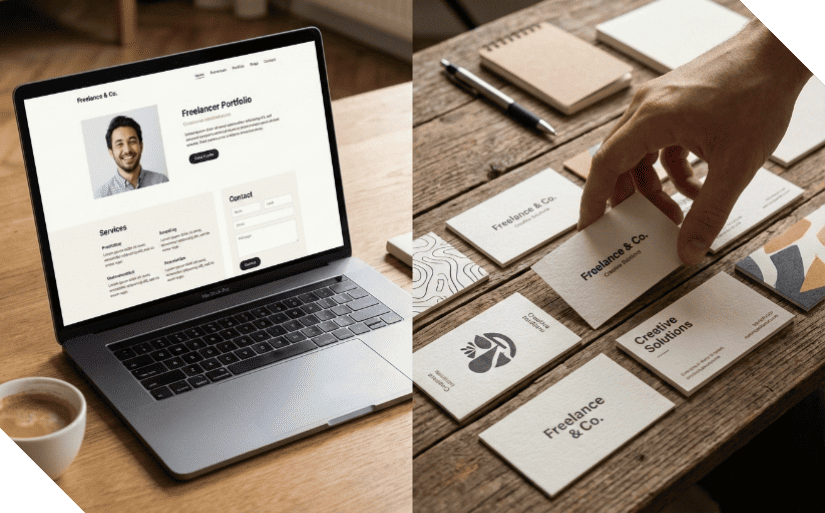
A free portfolio website (Wix, WordPress, Carrd—all have free plans)
Basic business cards from Vistaprint ($20 for 500)
A professional email address via Google Workspace ($6/month, so $12 for two months)
Skills you can sell immediately:
Social media management (businesses are desperate for this)
Content writing (every company needs blog posts)
Virtual assistance (entrepreneurs will pay you to handle their email and scheduling)
Graphic design using Canva (yes, Canva-level design still sells)
Video editing (TikTok and Instagram Reels have created massive demand)
Total investment: $32 for cards and email. You have $68 left.
Real Success Story:
"I started a social media management business with $0. I reached out to five local coffee shops, offered to run their Instagram for one month for free as a 'trial,' crushed it for all five, and by month two, had three paying clients at $300 each. That's $900/month from a free trial strategy."
2. Reselling Business ($50-$100 startup)
People think reselling is dead. Those people are broke. The reselling game has evolved, and the smart players are making serious money.
Here's the move:
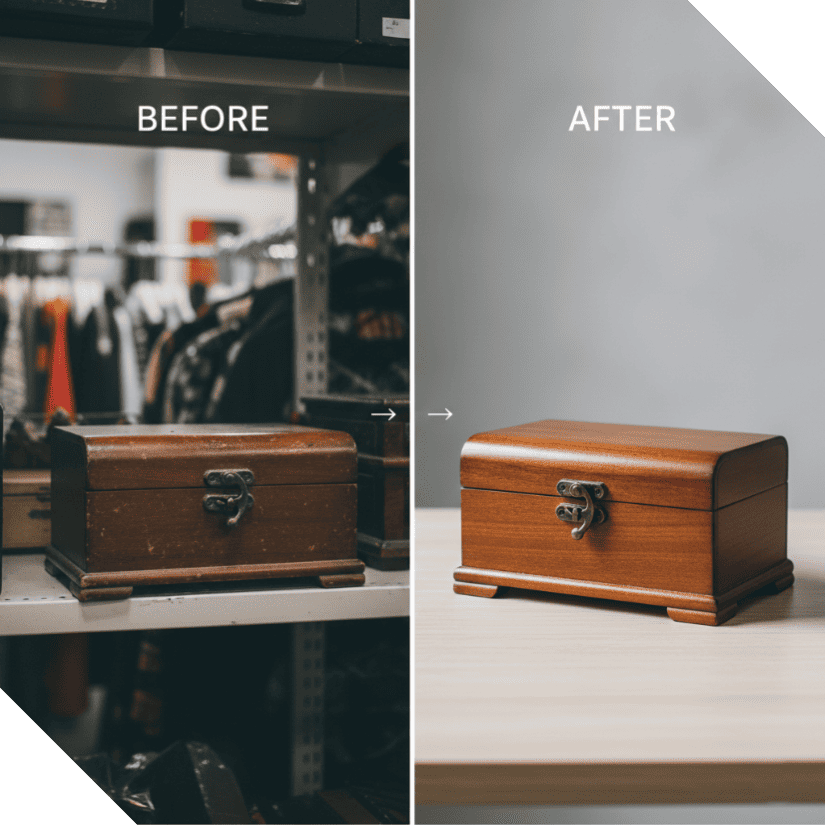
Hit up garage sales, thrift stores, or Facebook Marketplace
Look for brand-name items selling below market value
Flip them on eBay, Poshmark, Mercari, or Facebook Marketplace
What to look for:
Designer clothing (even if it's used)
Electronics (vintage cameras, gaming consoles, old iPhones)
Books (first editions, textbooks, rare finds)
Brand-name shoes (sneakerheads are everywhere)
Home decor (mid-century furniture is HOT right now)
Start with $50-$75. Buy three to five items. List them immediately. The other $25-$50? Save it for shipping supplies and fees.
Success Story:
A guy in my neighborhood started with $80 at a Saturday garage sale. He bought a vintage Nikon camera for $30 and sold it for $175 on eBay three days later. He took that profit, bought more items, and within three months was making $2,000/month part-time. He still has his day job. This is his side income.
3. Digital Products ($20-$50 startup)
This is the future, and you're sleeping on it if you haven't started yet.
What you can create:
Notion templates (planners, budget trackers, business dashboards)
Canva templates (Instagram posts, resumes, presentations)
Printables (wall art, planners, worksheets)
E-books or guides (teach something you know)
Spreadsheet templates (budget calculators, business trackers)
Your $100 budget:
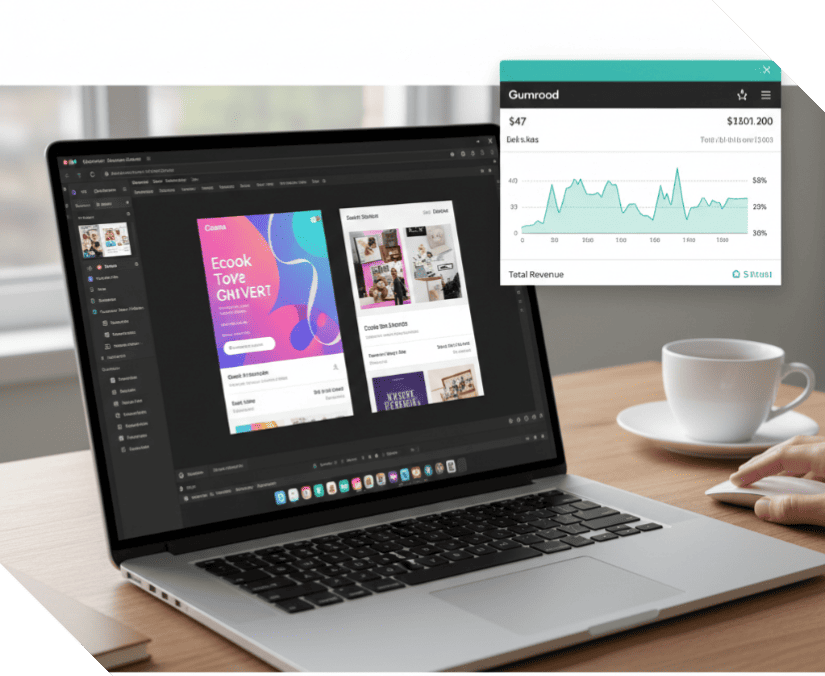
Canva Pro ($13/month for one month—cancel after if needed)
Gumroad account (free, but set aside $7 for their transaction fees on first sales)
Stock photos if needed from sites like Unsplash (free) or Creative Market ($15-30)
Create five to ten products in your first week. Price them at $5-$20. List them on Gumroad, Etsy, or Creative Market.
The Math That Changes Everything:
Scenario 1: 3 templates at $15 each per week = $180/month
Scenario 2: 10 templates × 3 sales each per month = $450/month
Your investment: $13
4. Local Service Business ($30-$80 startup)
Don't underestimate the power of old-school hustle in your local community.
Services people will pay for TODAY:
Lawn care and landscaping
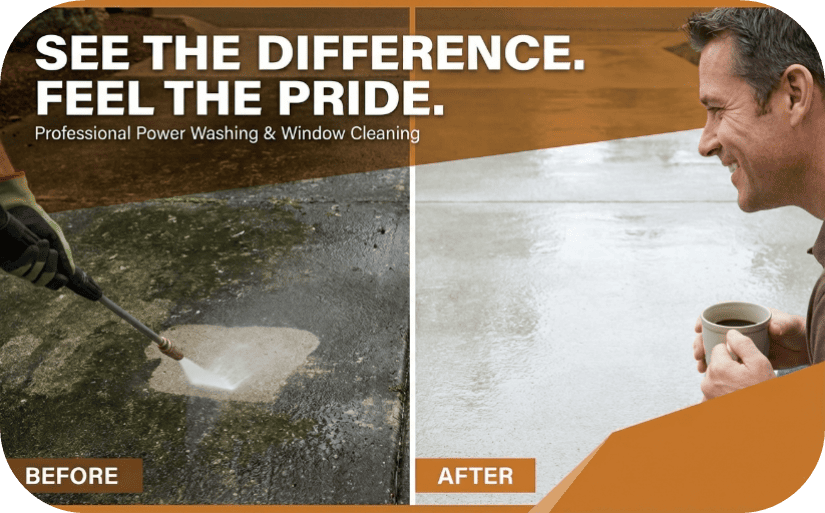
Power washing driveways
Window cleaning
Errand running for busy professionals
Dog walking and pet sitting
House cleaning
Junk removal
What you need:
Flyers ($20 to print 500 at FedEx)
Basic equipment (you might already own most of it)
A Google Voice number (free)
Social media pages (free)
Drop flyers in 200 mailboxes in a nice neighborhood. Put up posts in local Facebook groups. Ask for referrals. Book five clients in your first month at $50 each, and you've made $250 from a $20 investment.
Real Story:
"A teenager in my area started a power-washing business with his dad's pressure washer (borrowed—cost him $0) and $40 in flyers and gas. He made $1,200 his first month working weekends. He's 17."
The Strategy That Separates Winners from Wishful Thinkers
Here's where most people fail: They start, make a few bucks, and then... nothing. They lose momentum. They get distracted. They quit.
Don't be that person. Here's your blueprint:
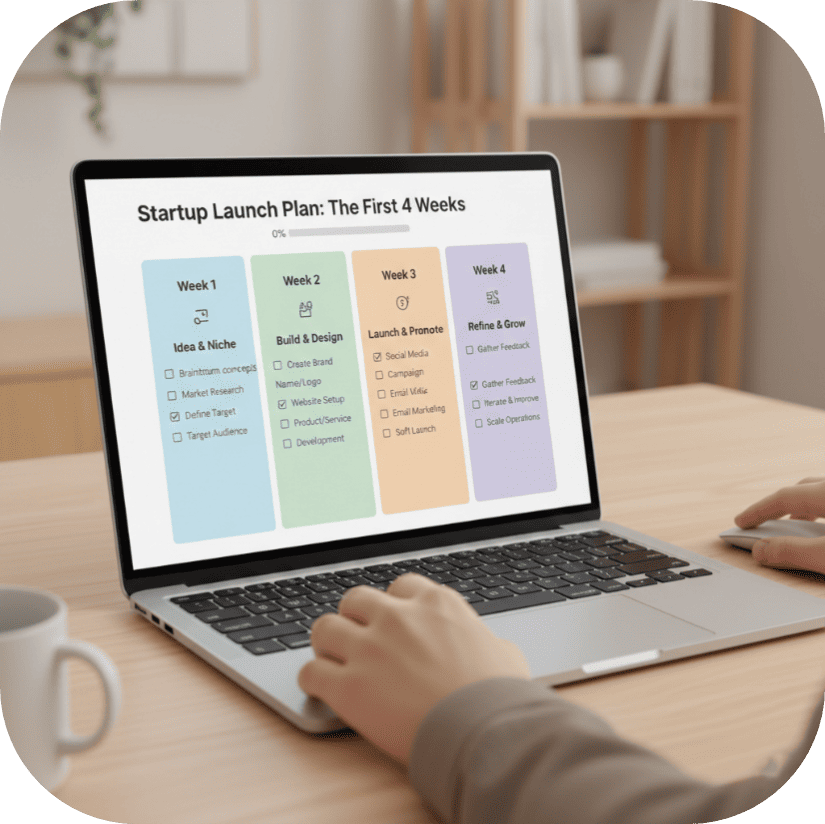
Week 1: Launch
Choose ONE business model from above
Spend your $100 strategically
Create your offer
Tell everyone you know what you're doing
Week 2: First Sales
Reach out to 20 potential customers (online or offline)
Offer an irresistible deal to your first three customers
Deliver exceptional value
Ask for testimonials and referrals
Week 3-4: Scale
Take your profits and reinvest 50% back into the business
Double down on what's working
Eliminate what isn't
Raise your prices (yes, already)
Month 2-3: Systems
Create simple systems for finding customers
Develop a consistent service or product delivery process
Build your online presence (social media, website, reviews)
Start thinking about your next service or product
The Mindset That Makes or Breaks You
I need you to understand something: Your biggest obstacle isn't money. It's you.
It's your fear of looking stupid. Your worry about what people will think. Your perfectionism that keeps you from launching. Your belief that you need everything figured out before you start.
Let me destroy those excuses right now:
"But I don't have any special skills."
Neither did the teenager making $1,200/month power washing driveways. You don't need special skills. You need the willingness to learn and work.
"What if I fail?"
You will. Multiple times. Every successful entrepreneur has a graveyard of failed ideas. The difference is they kept going. Failure with $100 on the line is a cheap education.
"I don't have time."
You have time. You're on social media for two hours a day. You're watching Netflix. You're scrolling. Cut that in half and invest those hours in your future. That's 7-10 hours per week. That's enough.
"My market is too saturated."
Good. That means there's demand. You don't need to reinvent the wheel. You just need to be better, faster, or more personable than the competition. Most businesses fail because of poor customer service. Just be decent to people and you'll win.
Your Real Competition Isn't Other Businesses
Your real competition is your own complacency. It's the voice telling you to wait until you have more money, more time, more knowledge, more confidence.
That voice is a liar. It's the same voice that keeps people in jobs they hate, relationships that drain them, and lives they're not proud of.
Starting a business with $100 isn't about the money. It's about proving to yourself that you can take action with limited resources. It's about developing the muscle of entrepreneurship. It's about refusing to let your current circumstances define your future.
The Challenge (Are You In?)
Here's what I want you to do right now—not tomorrow, not next week, RIGHT NOW:
Decide on one business idea from this post
Write down exactly what you'll buy with your $100
Set a launch date (no more than 7 days from today)
Tell three people about your plan (accountability is everything)
Take the first action within the next hour (research, buy a domain, print flyers—something)
If you do those five things, you're already ahead of 90% of people who read this post and do nothing.
The Bottom Line
You don't need venture capital. You don't need a business degree. You don't need a fancy office or a massive team.
You need $100, a plan, and the courage to start before you feel ready.
I've seen people with six-figure businesses that started with less than $100. I've watched people quit their soul-crushing jobs because a $50 side hustle turned into a $5,000/month business. I've witnessed ordinary people build extraordinary lives because they refused to use "I don't have enough money" as an excuse anymore.
The only question that matters is: Are you going to be one of them?
The $100 is sitting in your bank account right now. The opportunity is staring you in the face. The only variable is whether you'll take action or talk yourself out of it.
What's it going to be?