HIGH-PROTEIN DIET
Beyond Gym Culture
The 2026 Everyday Nutrition Guide for Busy Adults, Families, and Anyone Who Simply Wants to Feel Better
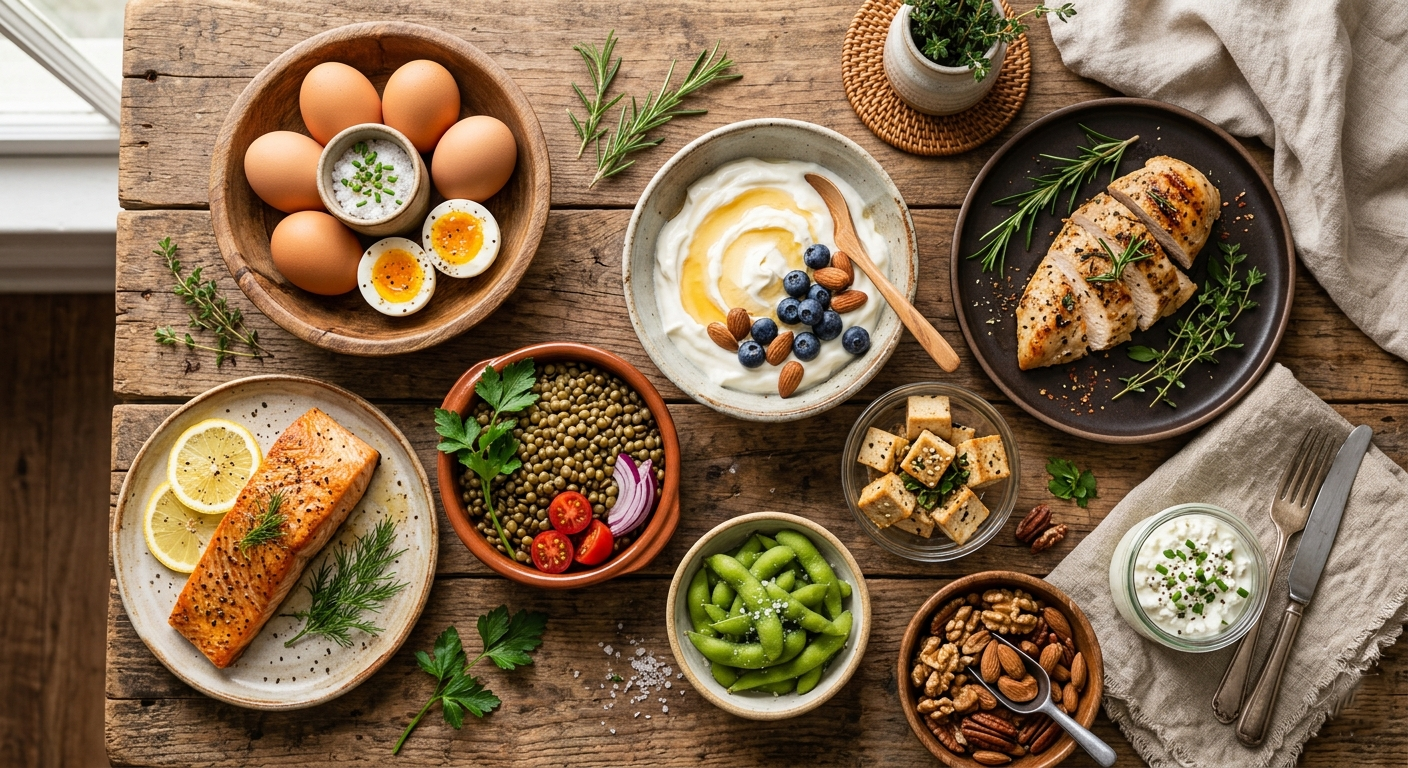
Why Protein Is No Longer Just for Gym Enthusiasts
Picture this: it's 7:30 in the morning. You've been awake since 6, rushed through a shower, made packed lunches, and now you're standing at the kitchen counter staring at a piece of toast wondering why you're already exhausted. Sound familiar?
The answer, increasingly, has something to do with protein, or rather, the quiet lack of it in the average adult's day.
For decades, the word 'protein' conjured images of bicep-flexing gym-goers chugging chalky shakes between bench press sets. It felt like a world that had nothing to do with the rest of us, the parents, the office workers, the people just trying to get through the week feeling halfway human.
That has changed. Dramatically.
In 2026, high-protein eating has become the mainstream nutrition conversation, not because everyone has suddenly decided to start lifting weights, but because the science has caught up with something that nutritionists have known for years: protein is the foundational building block of energy, satiety, healthy ageing, hormonal balance, and long-term wellbeing. And most ordinary adults simply aren't getting enough of it.
This guide is for real people with real lives. It is warm, practical, non-intimidating, and thoroughly grounded in current nutrition science. Whether you are a busy parent, a woman navigating hormonal changes, an office worker battling afternoon energy crashes, or simply someone who wants to feel better — this is your guide.
| What You'll Discover in This Guide |
|---|
| ✦ How much protein your body actually needs (it's simpler than you think) |
| ✦ The hidden signs you're not getting enough |
| ✦ The best affordable everyday protein foods |
| ✦ Easy high-protein breakfasts, lunches, dinners, and snacks |
| ✦ A complete beginner-friendly weekly meal plan |
| ✦ The truth about plant vs animal protein |
| ✦ Protein for women over 40 and healthy ageing |
| ✦ Common myths — busted kindly and clearly |
What a High-Protein Diet Really Means
Let's start by quietly dismantling a myth: a high-protein diet is not a fad. It is not extreme. It is not about counting every gram with military precision or replacing every meal with a supplement shake.
A high-protein diet simply means intentionally ensuring that protein takes a meaningful place at most of your meals, enough to support your body's genuine daily needs for repair, energy regulation, immune function, muscle preservation, hormone production, and satiety.
For most adults, that means aiming for somewhere between 1.2g and 1.6g of protein per kilogram of body weight per day, meaningfully more than the often-cited minimum RDA of 0.8g/kg, which nutrition researchers increasingly regard as a floor, not a target.
The 2026 Shift Toward Everyday Functional Nutrition
Something interesting happened in the nutrition world over the past few years. The conversation shifted from short-term dieting to what researchers now call 'functional nutrition' the idea that what we eat should actively support how we feel, think, function, and age. Not just what we weigh.
Protein sits at the centre of this shift. Study after study has confirmed its role in reducing hunger, preserving lean muscle as we age, stabilising blood sugar, supporting mood and cognition, and improving body composition — benefits that are entirely relevant to people who have never set foot in a gym.
| Did You Know? Protein Facts Worth Knowing |
|---|
| 🥚 Protein is the only macronutrient the body cannot store — it needs a regular daily supply |
| 🧠 Protein provides the amino acid building blocks for serotonin and dopamine (mood hormones) |
| 🔥 Protein has a high thermic effect — your body burns 20–30% of protein calories just digesting it |
| 💪 Adults lose 3–5% of muscle mass per decade after age 30 — adequate protein slows this significantly |
| 😴 Protein supports deeper sleep by providing tryptophan, a precursor to melatonin |
| 🍽️ High-protein meals reduce hunger hormones (ghrelin) more effectively than carbohydrate or fat-dominant meals |
How Much Protein Do You Actually Need Each Day?
This is the most common question, and the most reassuring answer in nutrition: for the vast majority of healthy adults, working out your approximate daily protein target takes about 30 seconds and requires nothing more complicated than knowing your weight.
Simple Protein Calculator Guide
| Your Goal | Target (per kg bodyweight) | Example: 70kg person |
|---|---|---|
| General health & energy | 1.2g per kg | 84g protein per day |
| Weight management & satiety | 1.4–1.6g per kg | 98–112g per day |
| Healthy ageing (40+) | 1.4–1.7g per kg | 98–119g per day |
| Active lifestyle / sport | 1.6–2.0g per kg | 112–140g per day |
| Muscle preservation (60+) | 1.6–2.0g per kg | 112–140g per day |
The important message here is that these numbers are targets to aim toward, not rigid rules to stress about. Even moving from under-eating protein to consistently including a quality protein source at each meal produces meaningful positive changes in how you feel.
Signs You May Not Be Eating Enough Protein
Most people who are under-eating protein have no idea, because the signs are subtle and easily attributed to other causes. Here are the most common signals to watch for:
Persistent afternoon energy crashes that aren't fixed by caffein,e
Constant hunger within 1–2 hours of eating a meal
Difficulty losing weight despite eating less
Feeling physically weaker than you used to — tasks that were easy feeling harder
Brittle nails, hair thinning, or slower wound healing
Poor recovery after illness, exercise, or periods of stress
Low mood, irritability, or difficulty concentrating
Frequent cravings for sugary or starchy foods
Protein for Healthy Ageing — and Why It Matters More Than You Think
The Silent Loss of Muscle Most Adults Don't Notice
From around the age of 30, the human body begins a slow but measurable process of muscle loss called sarcopenia. Without deliberate intervention, specifically adequate protein intake and some form of resistance-based movement, adults can lose between 3% and 5% of their muscle mass per decade.
This matters far beyond aesthetics. Muscle tissue is metabolically active, it burns calories at rest, supports posture and joint health, regulates blood sugar, and is one of the strongest predictors of independent function, cognitive health, and longevity in older age.
The most effective dietary strategy for slowing sarcopenia? Consistently eating adequate protein, ideally distributed across three or more meals throughout the day rather than concentrated in a single evening meal.
The High-Protein Shift Happening Among Women Over 40
Perhaps the most significant and underappreciated nutrition story of 2026 is the growing movement among women over 40 deliberately increasing their protein intake, not to 'bulk up,' but to support their bodies through the profound hormonal changes of perimenopause and menopause.
Oestrogen has a protective effect on muscle tissue. As oestrogen levels decline through perimenopause and menopause, women become significantly more susceptible to muscle loss, metabolic slowdown, bone density reduction, and changes in body composition — particularly increased visceral fat accumulation.
Dietary protein — particularly when paired with resistance exercise — is the most evidence-supported nutritional strategy for counteracting these changes. Research consistently shows that women in this life stage who eat higher protein experience better body composition, higher energy, improved bone density, and greater metabolic resilience.

| Protein and Women Over 40: Quick Reference |
|---|
| 🌿 Target: 1.4–1.7g protein per kg body weight daily |
| 🦴 Protein + calcium-rich foods support bone density during menopause |
| 💪 Protein paired with resistance training counteracts oestrogen-related muscle loss |
| ⚖️ Higher protein reduces fat gain during hormonal metabolic slowdown |
| 😊 Amino acids support serotonin production — important for mood during hormonal transition |
| 🍳 Spreading protein across all 3 meals is more effective than concentrating it at dinner |
Protein for Busy Parents and Office Workers — Practical Strategies That Actually Work
The most common reason people cite for not eating enough protein is the same one we cite for most nutrition shortfalls: time. Or more specifically, the exhausting, relentless absence of it.
Here is the reassuring truth: eating more protein does not require elaborate meal planning, expensive ingredients, or an hour of daily kitchen prep. It requires, primarily, a small shift in how you think about building your plate.
The Simple Protein Framework for Busy People
Think of every meal and snack through one simple lens: Is there a protein source on this plate? Not a perfect one. Not a precisely measured one. Just — something.
Breakfast:
Eggs, Greek yogurt, cottage cheese, smoked salmon, or a protein-enriched overnight oat
Lunch:
Chicken, tuna, lentils, beans, tofu, or a quality protein-based salad — ready in 5 minutes with batch prep
Dinner:
Whatever protein source fits your family's preferences — chicken thighs, mince, salmon, beans, eggs
Snacks:
Hard-boiled eggs, cheese, edamame, mixed nuts, cottage cheese with fruit, or a good-quality protein bar
That framework: three meals each with a deliberate protein source, and protein-containing snacks when needed, is the foundation of everyday high-protein eating. Everything else is refinement.
Protein and Energy Levels Throughout the Day
One of the first things people notice when they increase their protein intake, often within the first week, is a meaningful improvement in sustained energy, particularly through the mid-morning and mid-afternoon periods when energy typically dips.
The mechanism is well understood: protein slows the absorption of carbohydrates, blunting the blood sugar spike-and-crash cycle that drives energy volatility. Protein also provides a more sustained source of metabolic fuel than refined carbohydrates, and its amino acids support the neurotransmitter synthesis (dopamine, serotonin, noradrenaline) that underpins focus, motivation, and mood.
Protein and Weight Management — the Science Made Simple
Why Protein Helps You Stay Full Longer
Of all the nutritional strategies for sustainable weight management, increasing protein is among the most consistently evidence-supported. And the mechanisms are elegant:
Protein is the most satiating of the three macronutrients. It reduces circulating levels of ghrelin (the hunger hormone) while increasing satiety signals including PYY and GLP-1, meaning you feel genuinely full for longer after a protein-rich meal than after an equivalent-calorie meal of carbohydrates or fat.
Additionally, protein has a significantly higher thermic effect than other macronutrients: the body expends 20–30% of protein's caloric value simply digesting and processing it, compared to approximately 5–10% for carbohydrates and 0–3% for fat. This creates a meaningful real-world difference in net caloric impact without any conscious calorie counting.
For people trying to manage their weight without the psychological burden of strict caloric restriction, increasing protein intake is one of the most effective and least punishing interventions available.
| Protein + Weight Management: Key Points |
|---|
| ✅ High-protein diets reduce spontaneous calorie intake by 300–500 calories/day in research studies |
| ✅ Protein preserves muscle during weight loss — protecting metabolism |
| ✅ Higher protein reduces late-night snack cravings significantly |
| ✅ Protein-rich breakfasts reduce total daily calorie intake more effectively than any other meal |
| ✅ Weight lost on higher-protein diets contains more fat and less muscle than low-protein weight loss |
The Best Protein Sources for Everyday People
Affordable Protein Foods for Families
A common misconception is that eating more protein means spending more money. The reality is that many of the most protein-rich foods in existence are also among the most affordable and accessible foods available.
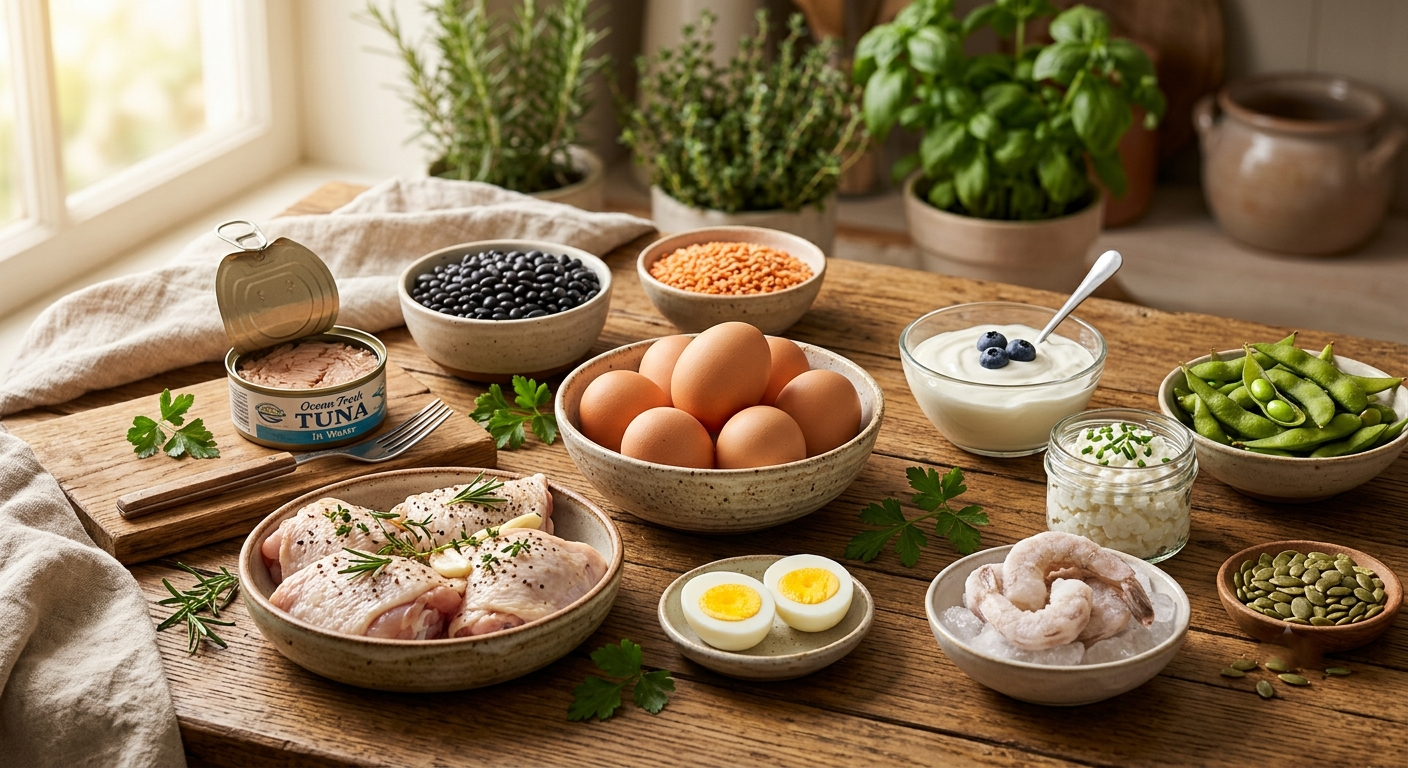
Protein Content Comparison — Everyday Foods
| Food | Serving Size | Approximate Protein |
|---|---|---|
| Chicken breast (cooked) | 100g | 31g |
| Canned tuna | 1 can (130g drained) | 30g |
| Eggs | 2 large | 13g |
| Greek yogurt (plain, full-fat) | 200g | 20g |
| Cottage cheese | 200g | 22g |
| Salmon (cooked) | 100g | 25g |
| Beef mince (lean) | 100g cooked | 26g |
| Lentils (cooked) | 200g | 18g |
| Black beans (cooked) | 200g | 15g |
| Tofu (firm) | 150g | 18g |
| Edamame | 150g | 15g |
| Chickpeas (cooked) | 200g | 14g |
| Tempeh | 100g | 19g |
| Milk (whole) | 300ml | 10g |
| Cheddar cheese | 40g | 10g |
| Pumpkin seeds | 30g | 9g |
| Almonds | 30g | 6g |
| Quinoa (cooked) | 150g | 6g |
Easy High-Protein Meals for Real Life
High-Protein Breakfasts That Keep You Satisfied Until Lunch
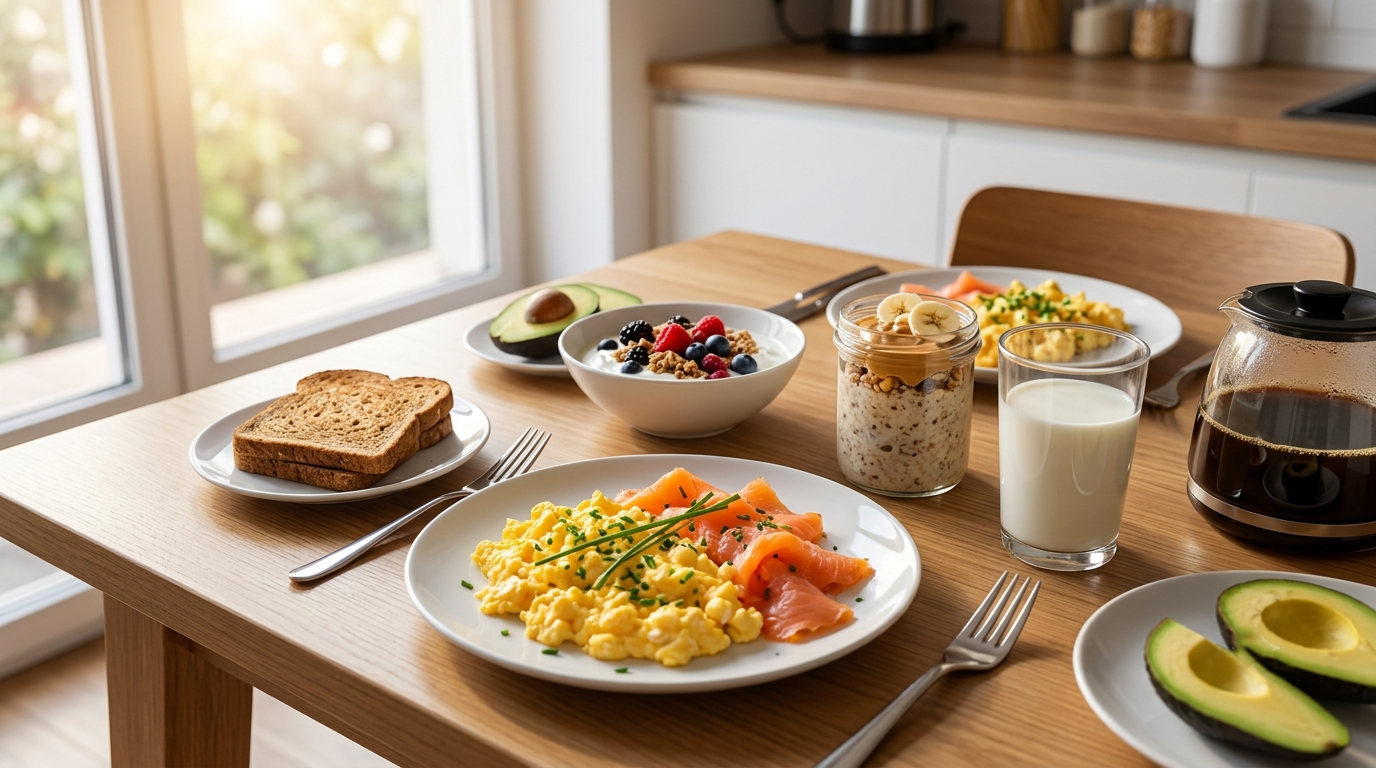
| Breakfast Idea | Approx. Protein |
|---|---|
| 2 eggs scrambled + 50g smoked salmon on wholegrain toast | ~28g |
| 200g Greek yogurt + handful of nuts + berries | ~22g |
| Overnight oats: oats + milk + 2 tbsp peanut butter + protein scoop | ~30g |
| 3-egg omelette with spinach, feta, and cherry tomatoes | ~24g |
| Cottage cheese toast: 150g cottage cheese + sliced avocado on rye | ~22g |
| Smoothie: 200ml milk + 150g Greek yogurt + banana + 1 tbsp almond butter | ~25g |
High-Protein Lunches for Busy Schedules
The key to consistent high-protein lunches when life is busy is batch-friendly simplicity, foods that can be prepped in 10–15 minutes on a Sunday or Monday, kept in the fridge, and assembled into a satisfying meal in under 5 minutes.
| Lunch Idea | Approx. Protein |
| Large tuna + white bean salad with olive oil and lemon | ~35g |
| Chicken and quinoa bowl with roasted veg + tahini dressing | ~38g |
| Lentil soup (made in batch) with wholegrain roll | ~22g |
| Smashed chickpea wraps with spinach, feta, and cucumber | ~20g |
| Cottage cheese + roasted veg + egg on mixed leaves | ~28g |
| Leftover dinner protein (salmon/chicken) + pre-washed salad | ~30g |
Simple High-Protein Dinners the Whole Family Will Eat

| Dinner Idea | Approx. Protein |
| Baked salmon + roasted sweet potato + green beans | ~38g |
| Chicken thigh traybake with chickpeas, tomatoes, and peppers | ~42g |
| Turkey mince chilli with kidney beans over rice | ~35g |
| One-pan prawn and vegetable stir-fry with noodles | ~30g |
| Lentil and spinach dhal with wholemeal flatbread | ~24g |
| Baked cod + white bean mash + roasted asparagus | ~36g |
| Egg fried rice with edamame, peas, and spring onions | ~22g |
Protein Snacks That Actually Keep You Full
2 hard-boiled eggs — 13g protein, fully portable, takes 10 minutes to batch cook on Sunday
150g Greek yogurt with a handful of almonds — ~20g protein, 5 seconds to prepare
100g cottage cheese with cucumber and cherry tomatoes — ~12g protein
30g pumpkin seeds with a piece of cheese — ~13g combined
Edamame (150g, microwave in 3 minutes from frozen) — ~15g protein
A good-quality protein bar (look for 15g+ protein, minimal ingredients) — 15–20g
Smoked salmon on 2 oatcakes — ~14g protein
Plant Protein vs Animal Protein — What Really Matters?
This is one of the most genuinely interesting conversations in contemporary nutrition — and the answer is more nuanced, and more reassuring, than the polarised debate online often suggests.
Understanding Protein Quality and Completeness
Animal proteins (meat, fish, eggs, dairy) are 'complete' proteins — they contain all nine essential amino acids in proportions that closely match human physiological needs, and they are generally highly bioavailable (meaning the body absorbs and uses them efficiently).
Many plant proteins are 'incomplete', they may be lower in one or more essential amino acids. However, this is entirely addressable through dietary diversity: combining different plant protein sources across the day, legumes with grains, for example, provides complete amino acid coverage. You do not need to combine them in the same meal; across a day is sufficient.
| Protein Source | Key Consideration |
|---|---|
| Animal (meat, fish, eggs, dairy) | Complete amino acid profile, high bioavailability, good for satiety and muscle synthesis |
| Legumes (lentils, beans, chickpeas) | Excellent affordability, high fibre, moderate protein — pair with grains for completeness |
| Soy (tofu, tempeh, edamame) | The most complete plant protein — comparable to animal protein in amino acid profile |
| Grains (quinoa, oats) | Lower protein but contribute meaningfully; quinoa is a complete protein |
| Nuts and seeds | Valuable protein contributors — also provide healthy fats |
| Dairy (milk, yogurt, cheese) | Excellent complete protein — also provides calcium, B vitamins, and probiotics (yogurt) |
The practical takeaway: both plant and animal proteins can support excellent health outcomes. Mixed dietary approaches that include both tend to offer the most nutritional breadth and are the most sustainable long-term. Exclusively plant-based eaters can absolutely meet their protein needs — it requires slightly more intentional food choices but is entirely achievable.
The Biggest Protein Myths — Kindly Cleared Up
| Myth 1: High protein damages your kidneys |
| REALITY: This myth originated from research on people with pre-existing kidney disease, for whom protein restriction may be appropriate under medical supervision. For healthy adults with normal kidney function, the research evidence does not support any kidney harm from protein intakes within sensible ranges (up to 2g/kg). If you have existing kidney concerns, always consult your doctor. |
| Myth 2: You can only absorb 30g of protein per meal |
| REALITY: The body does not 'waste' protein beyond an arbitrary threshold. It simply processes it more slowly. Larger protein amounts take longer to digest and are absorbed and used over a longer period. That said, spreading protein intake across the day does appear to support muscle protein synthesis more effectively than concentrating it all in one meal. |
| Myth 3: Plant protein is always inferior to animal protein |
| REALITY: While animal proteins generally have higher bioavailability and more complete amino acid profiles, plant proteins can absolutely support excellent health when consumed in appropriate variety and quantity. Soy protein in particular is nutritionally comparable to animal protein. A diverse diet including multiple plant protein sources covers all essential amino acids effectively. |
| Myth 4: High protein diets are only for people who exercise heavily |
| REALITY: The benefits of adequate protein intake — including better satiety, more stable energy, muscle preservation, improved body composition, hormonal support, and healthier ageing — are relevant and valuable for virtually all adults, regardless of their exercise habits. |
| Myth 5: You need expensive supplements to get enough protein |
| REALITY: The most protein-rich foods available — eggs, canned fish, legumes, cottage cheese, Greek yogurt — are also among the most affordable foods in any grocery store. Protein supplements can be a convenient addition, but they are not necessary for most people to meet their daily targets through whole foods. |
The Beginner's Weekly High-Protein Meal Plan
This is a flexible template designed for real life — quick to assemble, family-friendly, and achievable without specialist cooking skills or expensive ingredients. Adjust portion sizes to your body weight and appetite.

| Day | Breakfast | Lunch | Dinner |
| Monday | Scrambled eggs + smoked salmon on rye toast | Tuna + white bean salad with lemon dressing | Chicken thigh traybake with chickpeas + roasted veg |
| Tuesday | Greek yogurt + berries + handful of walnuts | Leftover chicken traybake in a wrap with salad | Turkey mince chilli + kidney beans + brown rice |
| Wednesday | 3-egg omelette with spinach and feta | Lentil soup (batch made) + wholegrain roll | Baked salmon + sweet potato + steamed green beans |
| Thursday | Overnight oats + peanut butter + banana + milk | Cottage cheese + roasted veg + boiled egg bowl | Prawn stir-fry with edamame, veg + noodles |
| Friday | Smoked salmon + avocado + cottage cheese on toast | Smashed chickpea + feta wrap with spinach | One-pan baked cod + white bean mash + asparagus |
| Saturday | Weekend protein pancakes (eggs + oats + banana blended) | Egg fried rice with edamame, peas + spring onion | Family BBQ: chicken breast + corn + large bean salad |
| Sunday | Full breakfast: eggs, grilled tomatoes, mushrooms, turkey rashers | Batch prep — cook lentil soup + quinoa + boil eggs for the week | Roast chicken + roasted root veg + peas + yogurt dip |
Snacks throughout the week: hard-boiled eggs, Greek yogurt, edamame, a handful of nuts, cottage cheese with fruit, or a quality protein bar when needed.
Your High-Protein Grocery List — Realistic, Affordable, and Family-Friendly
Proteins
Eggs (buy a large tray — versatile, affordable, and highly nutritious)
Chicken thighs or breasts (thighs are cheaper and more flavourful)
Canned tuna (stock up — excellent value, lasts forever, endlessly versatile)
Salmon fillets (fresh or frozen — frozen is equally nutritious and more affordable)
Greek yogurt (plain, full-fat — the most versatile protein in your fridge)
Cottage cheese (high protein, mild flavour, works sweet or savoury)
Red lentils and green lentils (the most nutritious food bargain available)
Canned chickpeas and black beans (rinse and use in minutes)
Firm tofu (absorbs flavours beautifully, freezes well)
Turkey mince (leaner alternative to beef, very high protein)
Supporting Staples
Wholegrain oats, wholegrain bread, brown rice, quinoa
Frozen edamame, peas, and mixed vegetables
Olive oil, garlic, lemon
Mixed nuts (almonds, walnuts, cashews)
Pumpkin seeds, sunflower seeds
Tinned tomatoes, stock cubes, mixed spices
| Budget Shopping Tips |
|---|
| 💰 Buy chicken in bulk and freeze in meal-sized portions |
| 💰 Stock up on canned tuna, salmon, and legumes when on offer |
| 💰 Eggs remain one of the highest protein-per-pound foods available anywhere |
| 💰 Frozen fish is as nutritious as fresh and significantly cheaper |
| 💰 Dried lentils and beans are cheaper than canned — cook a big batch and freeze in portions |
| 💰 Greek yogurt from own-brand/supermarket labels is identical nutritionally to premium brands |
Protein Timing Simplified — What Actually Matters
Protein timing has been a topic of significant debate in nutrition research. The current scientific consensus, synthesised from multiple meta-analyses, is encouraging in its simplicity:
Distributing protein across the day (rather than concentrating it in one meal) is associated with better muscle protein synthesis — aim for a protein source at breakfast, lunch, and dinner
A protein-rich breakfast is particularly impactful for satiety and reduced total daily caloric intake
Post-workout protein timing matters most for people with significant training loads — for general fitness and health, total daily protein is more important than exact timing
A small protein-containing snack before bed (cottage cheese, Greek yogurt) may support overnight muscle protein synthesis — particularly relevant for adults over 50
Common Mistakes People Make with High-Protein Diets
| 10 Protein Mistakes to Avoid |
| 1. Skipping protein at breakfast — the most impactful missed opportunity |
| 2. Relying on one protein source (e.g. only chicken) — variety ensures broader amino acid coverage |
| 3. Neglecting plant proteins — legumes and soy add fibre and micronutrients alongside protein |
| 4. Under-eating vegetables — high-protein eating should increase protein, not eliminate produce |
| 5. Expecting immediate results — protein's benefits accumulate over weeks of consistent practice |
| 6. Thinking supplements are essential — whole food protein is preferable for most people |
| 7. Overcooking proteins — reduces palatability and can affect amino acid bioavailability |
| 8. Ignoring hydration — higher protein intake increases the body's water requirements slightly |
| 9. Applying gym-athlete targets to a sedentary lifestyle — 1.2–1.4g/kg is sufficient for most adults |
| 10. All-or-nothing thinking — any improvement in protein consistency produces benefits |
When Too Much Protein Can Become a Problem
For healthy adults with normal kidney function, protein intakes up to 2g per kilogram of body weight are well-tolerated and safe. However, context matters:
People with pre-existing kidney disease should work with their healthcare team to determine appropriate protein targets
Extremely high protein intakes (above 3g/kg) with insufficient carbohydrate and fat can disrupt metabolic balance
Protein supplements containing added sugars, artificial sweeteners, or low-quality ingredients may have downsides beyond protein itself
Using high-protein eating as a framework for extreme caloric restriction is not appropriate without medical supervision
Protein and Hormonal Health — a Surprisingly Deep Connection
Protein's relationship with hormonal health extends well beyond the reproductive hormones most people think of first. Amino acids are the structural components of virtually every hormone in the body — including thyroid hormones, insulin, glucagon, growth hormone, and the neurotransmitters that regulate mood and cognition.
Adequate protein intake supports:
Thyroid hormone production — relevant for metabolism, energy, body temperature, and mood
Insulin sensitivity — high-protein meals blunt blood sugar spikes and reduce insulin demand
Cortisol regulation — protein-rich breakfasts are associated with lower evening cortisol levels
Serotonin and dopamine synthesis — the amino acids tryptophan and tyrosine are the direct precursors
Leptin and ghrelin balance — protein is the most potent regulator of appetite hormones
Frequently Asked Questions (FAQ)
Q: Is a high-protein diet safe for everyone?
A: For the vast majority of healthy adults with normal kidney and liver function, a high-protein diet within sensible ranges (1.2–2.0g per kg of bodyweight) is safe and well-supported by evidence. People with pre-existing kidney disease, liver conditions, or certain metabolic disorders should consult their healthcare provider before significantly increasing protein intake.
Q: How much protein do I need per day if I don't exercise?
A: Even without formal exercise, adults benefit from protein intakes of approximately 1.2–1.4g per kilogram of body weight per day — meaningfully above the minimum RDA of 0.8g/kg. This level supports muscle preservation, immune function, satiety, hormonal health, and healthy ageing.
Q: What is the easiest way to add more protein to my diet?
A: The simplest change most people can make is starting with protein at breakfast. Add two eggs, Greek yogurt, or cottage cheese to your morning meal. Then ensure each subsequent meal has a deliberate protein source. This single shift alone significantly increases most people's daily protein intake without any complex planning.
Q: Can I get enough protein on a plant-based diet?
A: Yes — with intentional food choices. Prioritise soy-based foods (tofu, tempeh, edamame), legumes (lentils, chickpeas, black beans), combined with grains (oats, quinoa, brown rice) and nuts and seeds. Spreading diverse plant proteins across the day ensures comprehensive amino acid coverage. Many plant-based eaters also benefit from pea or soy protein supplements.
Q: Will eating more protein make me gain weight?
A: Protein itself is not associated with fat gain. In fact, higher protein diets consistently produce better body composition outcomes — greater fat loss and greater muscle preservation — compared to lower-protein diets of equivalent calories. Protein's high thermic effect and satiety benefits often result in spontaneous calorie reduction.
Q: Is Greek yogurt actually a good protein source?
A: Greek yogurt is one of the most protein-rich and versatile everyday foods available. A standard 200g serving provides approximately 18–22g of protein, depending on brand. Choose plain, full-fat versions — they're lower in added sugar and provide fat-soluble vitamins alongside protein.
Q: How do I know if I'm eating enough protein?
A: Signs of adequate protein intake include: stable energy throughout the day, feeling genuinely satisfied after meals, maintaining strength and muscle tone, good hair and nail health, and recovering well from illness or exercise. Wearable apps and simple online calculators can help estimate daily intake if you want a more precise measure.
Q: Can children and teenagers follow a high-protein approach?
A: Children and teenagers have protein needs that scale with their growth stage, and adequate protein is essential for healthy development. However, the specific targets and foods appropriate for children differ from adults — parents concerned about their children's nutrition should consult a paediatric nutritionist or GP for personalised guidance.
Q: What is the best protein source for weight loss?
A: For weight loss, the best protein sources are those that are high in protein, moderate in calories, satiating, and sustainable long-term. Eggs, Greek yogurt, cottage cheese, white fish (cod, haddock), canned tuna, and legumes are consistently ranked among the best. Lean chicken and turkey are also excellent choices.
Q: Do I need protein supplements?
A: Most adults who eat a varied diet can meet their protein needs through whole foods. Protein supplements — whey, pea, or soy protein powders — are a convenient tool for people who struggle to meet targets through food alone, or who need rapid nutrition on the go. They are a supplement to, not a replacement for, whole food sources.
Your Daily High-Protein Checklist
| Daily Protein Habits — Copy This to Your Fridge |
| ☐ BREAKFAST included a quality protein source (eggs / yogurt / cottage cheese / smoked fish) |
| ☐ LUNCH included a protein source (chicken / tuna / lentils / beans / tofu / egg) |
| ☐ DINNER included a protein source (meat / fish / legumes / eggs / dairy) |
| ☐ SNACKS were protein-containing rather than pure carbohydrate |
| ☐ Drank enough water today (protein metabolism increases water requirements slightly) |
| ☐ Included at least one plant-based protein source |
| ☐ Had a variety of protein sources across the day (not just one food) |
Start Here: Your Next Step Toward Feeling Better
You've just moved through one of the most comprehensive, human-centred guides to everyday high-protein nutrition available. And now comes the most important part: choosing one thing to do differently, starting tomorrow morning.
Not ten things. One!
Add a protein source to your breakfast. That's it. An egg. Some Greek yogurt. A little cottage cheese. Whatever fits your morning and your taste. Do that consistently for a week, and notice how differently you feel at 10am.
Then build from there. One sustainable change at a time. Because the research consistently confirms what the most healthily nourished people in the world have always known: it's not about perfect eating. It's about consistently good-enough eating, repeated day after day, in a way that feels genuinely achievable.
You don't need to overhaul your life. You just need a little more protein in it.
Medical Disclaimer
This article is for educational and informational purposes only and does not constitute medical advice, diagnosis, or treatment. Individual protein needs vary based on health status, age, activity level, and medical history. People with pre-existing health conditions — particularly kidney or liver disease — should consult a qualified healthcare professional before making significant dietary changes. Supplements should be discussed with a healthcare provider before use. If you experience persistent symptoms of fatigue, unexplained weight changes, or other health concerns, please seek professional medical advice.