SLEEP OPTIMISATION
The New Wellness Obsession
Why You're Exhausted Despite 8 Hours — and the Science-Backed Fix That Actually Works
Why Sleep Became the Ultimate Luxury in Modern Life
Close your eyes for a moment, not to sleep, but to remember the last time you woke up feeling truly, completely, profoundly rested. Not just functional. Not just 'okay enough to get through the day.' But genuinely restored. Clear-headed. Alive.
For most modern adults, that memory is frustratingly distant.
We live in an era of relentless productivity demands, constant digital stimulation, chronic low-grade stress, and a culture that has long celebrated busyness as a badge of honour. Sleep: real, restorative, biologically complete sleep, has become the silent casualty of contemporary life.
And yet something is shifting. Quietly at first, then dramatically. Sleep optimisation has exploded from a niche interest among biohackers and elite athletes into a global wellness obsession. Millions of people are now tracking their sleep scores, obsessing over deep sleep percentages, optimising their bedroom environments, and experimenting with supplements, routines, and wearable devices, all in pursuit of the one thing modern medicine has consistently confirmed is foundational to every aspect of human health.
Sleep is no longer just rest. It is recovery. It is performance. It is, increasingly, the new status symbol of the genuinely well.
This guide is your comprehensive, science-backed, deeply human roadmap to understanding sleep optimisation, why it matters, what's quietly sabotaging yours, and the most effective evidence-based strategies to transform not just your nights, but your entire life.
| Quick Summary: What You'll Learn |
|---|
| ✦ Why modern adults can't achieve genuine sleep recovery |
| ✦ The hidden science of circadian rhythms and deep sleep |
| ✦ How wearables like Oura Ring and WHOOP decode recovery |
| ✦ The cortisol-sleep-anxiety feedback loop explained |
| ✦ Best sleep supplements backed by research |
| ✦ How to build the perfect sleep environment |
| ✦ Personalised evening and morning routines for better sleep |
| ✦ When to seek professional sleep support |
The Hidden Epidemic of Chronic Sleep Deprivation
The Numbers Behind a Global Sleep Crisis
The data is stark: the World Health Organisation has described insufficient sleep as a global health epidemic. The US Centers for Disease Control reports that more than 1 in 3 American adults regularly sleeps fewer than 7 hours per night, the minimum threshold for basic adult health. In the UK, studies suggest approximately 67% of adults suffer from disrupted sleep, and similar patterns emerge across Europe, Australia, Asia, and the developing world.
But the real story isn't just about duration, it's about quality. Sleep scientists distinguish between time in bed and restorative sleep, and the gap between them is where the modern crisis truly lives.
You can spend 8 hours in bed and still wake up depleted, foggy, anxious, and inflamed, if the architecture of your sleep is compromised. Chronic low-quality sleep creates a physiological debt that accumulates invisibly, eroding cognitive function, immune resilience, metabolic health, emotional stability, and cardiovascular integrity over months and years.
Why You Feel Exhausted Despite Sleeping 8 Hours
This is one of the most common, and most distressing, sleep complaints of the modern era. You're doing everything 'right' on paper: you're in bed for 8 hours, you're not pulling all-nighters, you don't have diagnosed insomnia. And yet you wake up feeling like you never slept at all.
There are several science-backed explanations for this phenomenon:
Reasons You Feel Exhausted Despite 8 Hours |
| 1. Sleep architecture disruption — too little time in deep/REM stages |
| 2. Elevated evening cortisol — stress hormones suppress deep sleep cycles |
| 3. Sleep fragmentation — micro-awakenings you don't consciously remember |
| 4. Circadian misalignment — sleeping at the wrong biological time |
| 5. Sleep apnoea or upper airway resistance syndrome (often undiagnosed) |
| 6. Nutrient deficiencies — low magnesium, B vitamins, or iron |
| 7. Blood sugar instability overnight — causing cortisol spikes at 2–3AM |
| 8. Chronic nervous system dysregulation — HRV suppression and sympathetic dominance |
| 9. Alcohol consumption — suppresses REM sleep despite inducing sedation |
| 10. Digital overstimulation before bed — sustained cortical arousal |
The reassuring truth is this: once you understand why your sleep quality is suffering, you have real, evidence-based tools to address it. Sleep optimisation is not about sleeping more hours. It is about sleeping better hours.
The Science of Circadian Rhythms
Your Internal Clock, and Why It Controls Everything
Every cell in your body operates on a roughly 24-hour biological clock. This circadian rhythm, derived from the Latin 'circa dies' meaning 'about a day', orchestrates an extraordinary symphony of hormonal releases, metabolic processes, core temperature fluctuations, immune activity, and neurological repair cycles.
The master clock is located in the suprachiasmatic nucleus (SCN) of the hypothalamus, a tiny but enormously powerful region of the brain that synchronises all other biological clocks in your body based primarily on light exposure. When light enters your eyes in the morning, it signals the SCN to suppress melatonin, raise core body temperature, and trigger a cortisol awakening response, preparing your body and mind for active, alert function.
As evening approaches and light diminishes, a reciprocal process begins: cortisol falls, core temperature drops, and the pineal gland begins secreting melatonin, your body's biological darkness signal, and the hormonal gateway to sleep.
This elegant biological system evolved over millions of years to align human sleep-wake behaviour with the rising and setting of the sun. Modern life has profoundly disrupted it.
How Modern Life Disrupts Your Circadian Rhythm
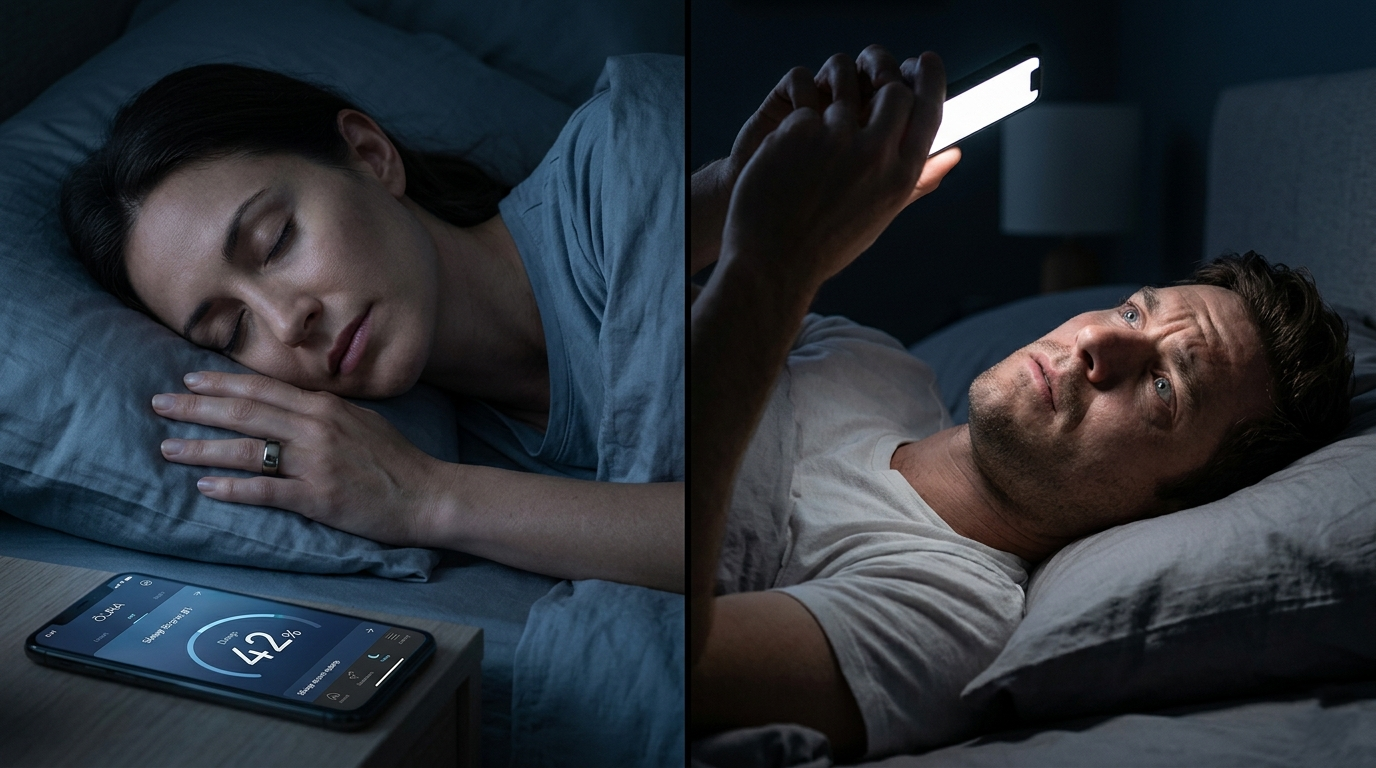
Artificial light exposure at night, particularly the blue-spectrum light emitted by smartphones, tablets, LED screens, and energy-efficient lighting, signals to your SCN that it is still daytime, suppressing melatonin production and delaying the onset of genuine biological sleep readiness by up to 2–3 hours. Add irregular sleep schedules, transatlantic travel, shift work, and late-night eating, and you have a perfect storm of circadian disruption.
The consequences extend far beyond feeling tired. Chronic circadian misalignment has been associated with increased risk of metabolic syndrome, type 2 diabetes, cardiovascular disease, depression, anxiety, compromised immune function, and accelerated cellular ageing.
| Did You Know? Circadian Science Facts |
|---|
| 🌙 Your core body temperature needs to drop by 1–2°C to initiate deep sleep |
| ☀️ Morning light exposure within 30 minutes of waking is the most powerful circadian anchor |
| 📱 Blue light at night can delay melatonin onset by up to 3 hours |
| 🕐 Your circadian system operates with approximately 15-minute precision |
| 🧬 Every organ — heart, liver, gut — has its own peripheral clock |
| ⏰ Social jet lag (inconsistent sleep timing) is associated with metabolic disruption |
Sleep Debt and Recovery Deficit: The Invisible Load You're Carrying
Sleep debt is not a metaphor. It is a measurable physiological state in which the cumulative shortfall of restorative sleep creates increasing biological impairment across cognitive, hormonal, immune, and metabolic systems.
Research from the Division of Sleep Medicine at Harvard Medical School confirms that the effects of sleep deprivation are dose-dependent and progressive, each consecutive night of insufficient sleep adds to the debt, and the brain's performance deficits continue accumulating even when individuals subjectively feel they have adapted to reduced sleep.
Most concerning: people who are chronically sleep-deprived are notoriously poor judges of their own impairment. The sleep-deprived brain lacks the metacognitive clarity to accurately assess its own dysfunction, which is why so many chronically tired people genuinely believe they are 'fine.'
Can You 'Catch Up' on Sleep?
This is one of the most debated questions in sleep science. The emerging consensus is nuanced: while a few nights of recovery sleep can partially restore some cognitive metrics and subjective alertness, the metabolic and hormonal consequences of chronic sleep deprivation — particularly elevated inflammatory markers, insulin resistance, and cortisol dysregulation — do not fully resolve with short-term recovery sleep.
The most effective strategy is prevention: consistent, high-quality sleep over time, rather than cycling between deprivation and recovery.
Deep Sleep vs REM Sleep: Why Both Matter
The Architecture of a Complete Sleep Cycle
A single sleep cycle lasts approximately 90 minutes and consists of four distinct stages, each serving unique and irreplaceable biological functions:
| Sleep Stage | Type | Primary Function |
|---|---|---|
| Stage 1 (N1) | Light NREM | Transition to sleep; 1–7 minutes |
| Stage 2 (N2) | Light NREM | Memory consolidation, sleep spindles, heart rate reduction |
| Stage 3 (N3) | Deep NREM (Slow Wave) | Physical repair, immune function, growth hormone release, glymphatic waste clearance |
| Stage 4 (REM) | Rapid Eye Movement | Emotional processing, memory integration, learning consolidation, vivid dreaming |
Deep Sleep: The Master Restorer
Slow-wave sleep (SWS), or deep sleep, is the most physically restorative stage of the sleep cycle. During deep sleep, the body releases approximately 70–80% of its daily growth hormone, repairs muscle tissue, consolidates immune function, and activates the glymphatic system, a waste-clearance network in the brain that flushes metabolic byproducts including amyloid-beta, a protein strongly associated with Alzheimer's disease.
Deep sleep is most abundant in the first half of the night. By the early morning hours (4–6AM), sleep architecture shifts predominantly toward REM sleep, which is why cutting short your sleep duration has an outsized impact on REM time.
REM Sleep: The Emotional and Cognitive Architect
REM (Rapid Eye Movement)
Sleep plays a fundamentally different but equally vital role. During REM, the brain is highly active, processing emotional memories, integrating new information with existing knowledge, enhancing creative problem-solving, and regulating mood and emotional reactivity.
Chronic REM suppression
Commonly caused by alcohol, certain medications, and severe stress, is strongly associated with depression, anxiety, emotional dysregulation, impaired learning, and increased PTSD symptom severity.
| Key Insight: Sleep Stage Targets |
| 🔵 Deep Sleep (N3): Aim for 15–25% of total sleep time (approximately 1–2 hours per 8 hours) |
| 🟣 REM Sleep: Aim for 20–25% of total sleep time (approximately 1.5–2 hours per 8 hours) |
| ⚠️ Less than 1 hour of deep sleep per night is associated with significantly impaired recovery |
| 📊 Wearable devices like Oura Ring and WHOOP can estimate these percentages nightly |
The Wearable Revolution: Turning Recovery Into Data
What Oura Ring and WHOOP Are Teaching Us About Human Recovery
The explosion of consumer wearable technology has democratised sleep science in extraordinary ways. Devices like the Oura Ring, WHOOP strap, Garmin health trackers, and Apple Watch (with third-party sleep analysis apps) are now generating millions of nightly sleep datasets, and in doing so, are fundamentally transforming how ordinary people understand and manage their recovery.
Oura Ring vs WHOOP: A Comparison
| Feature | Oura Ring (Gen 3) | WHOOP 4.0 |
|---|---|---|
| Form Factor | Ring | Wrist strap |
| Sleep Tracking | Stages, HRV, temperature | Sleep stages, HRV, disturbances |
| Recovery Score | Readiness Score (0–100) | Recovery Score (0–100%) |
| Heart Rate Variability | Yes — resting + overnight | Yes — overnight + 5-min morning |
| Skin Temperature | Yes — nightly deviation | Yes — trending data |
| Respiratory Rate | Yes | Yes |
| Blood Oxygen (SpO2) | Yes | Yes |
| Subscription | Optional (£5.99/mo) | Required (from £25/mo) |
| Battery Life | 4–7 days | 4–5 days |
| Best For | Discreet daily wear, ring comfort | Athletes, strain tracking, coaching |
| Affiliate Link | [→ Shop Oura Ring] | [→ Shop WHOOP] |
What Recovery Scores Actually Measure
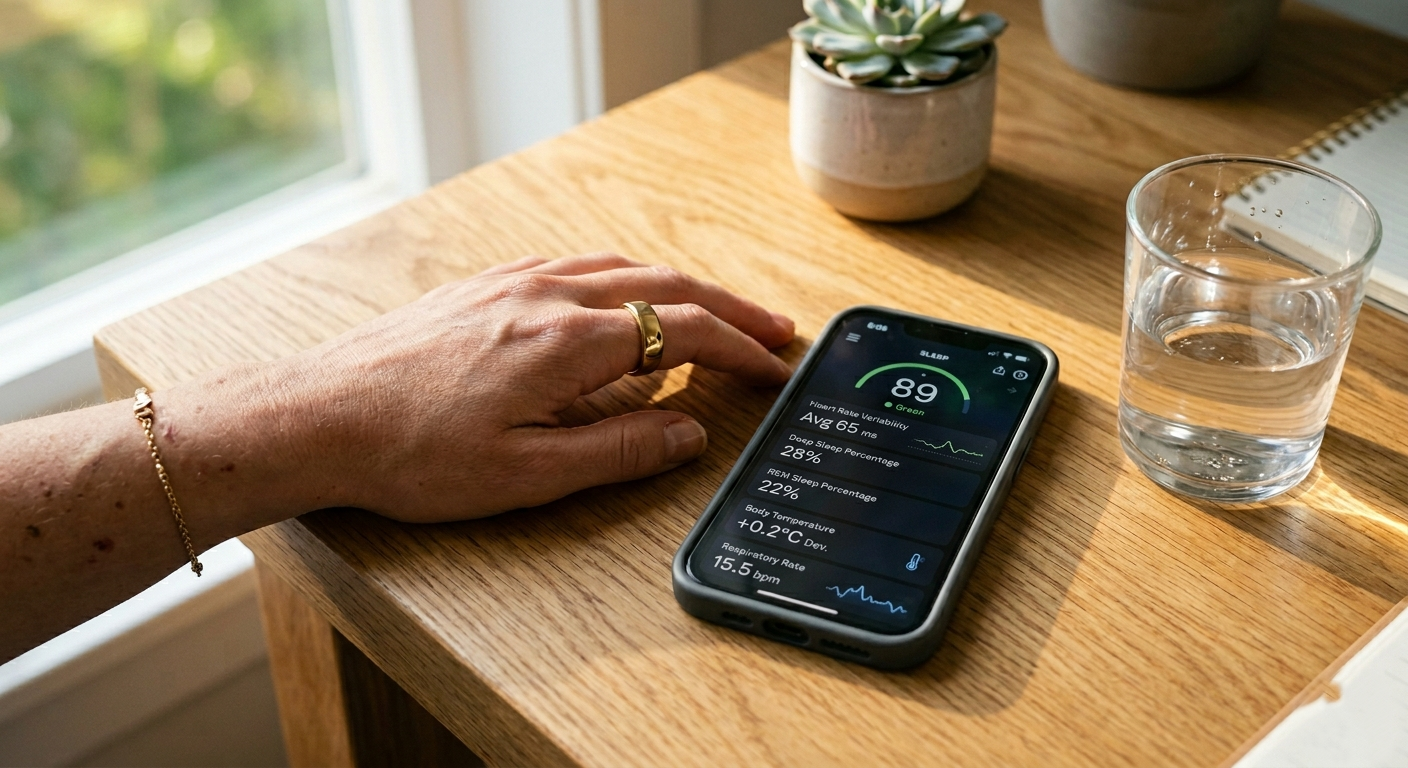
Both Oura and WHOOP calculate their recovery or readiness scores using a combination of Heart Rate Variability (HRV), resting heart rate, sleep duration and quality, skin temperature deviation, respiratory rate, and previous day's activity. These scores serve as a daily physiological 'report card', telling you not just whether you slept, but how prepared your nervous system is for physical and cognitive demands.
A high recovery score (80–100) suggests your autonomic nervous system is well-regulated, your cardiovascular system has adequately recovered, and your body has completed its essential repair processes. A low score (below 50) typically indicates incomplete recovery, a signal to reduce training intensity, manage stress, and prioritise sleep-supporting behaviours.
Is Sleep Tracking Helpful — or Anxiety-Inducing?
This is an important nuance. While data-driven sleep optimisation offers extraordinary value for most people, a subset of individuals develop 'orthosomnia', a condition where anxiety about sleep tracking metrics paradoxically worsens sleep quality. If you notice that checking your sleep score first thing in the morning increases rather than decreases your anxiety, it may be worth temporarily setting data aside and reconnecting with sleep through sensory and behavioural cues instead.
The goal of tracking is always empowerment; never anxiety. Data is a tool, not a verdict.
How Stress Hormones Quietly Destroy Deep Sleep
Blue Light, Cortisol, and the Digital Nervous System
Cortisol is your primary stress and alertness hormone, produced by the adrenal glands in response to perceived threat, physical exertion, blood sugar drops, and psychological pressure. In its natural rhythm, cortisol peaks sharply within 30–45 minutes of morning light exposure (the Cortisol Awakening Response), remains moderately elevated through the active day, and falls progressively through the evening to its lowest point around midnight.
The problem for modern adults is that this elegant hormonal rhythm is chronically disrupted. Evening work deadlines, news consumption, financial anxiety, relationship tension, and screen-based stimulation keep cortisol artificially elevated long after it should be declining, preventing the neurological conditions required for deep, restorative sleep.
| The Cortisol-Sleep Disruption Cycle |
|---|
| 1. Evening stress → elevated cortisol → suppressed melatonin production |
| 2. Suppressed melatonin → delayed sleep onset → reduced total sleep time |
| 3. Reduced deep sleep → insufficient overnight cortisol clearance |
| 4. Morning with elevated residual cortisol → heightened anxiety, fatigue |
| 5. Cycle repeats — and worsens with each passing night |
The 3AM Awakening: Why It Happens and What It Means
If you find yourself waking regularly between 2AM and 4AM with a racing mind, racing heart, or free-floating anxiety, you are not alone, and you are not imagining things. This is one of the most common and distressing sleep complaints reported by modern adults.
The most frequent physiological cause is a cortisol spike triggered by blood sugar instability. As blood glucose drops overnight (particularly after an early dinner, alcohol consumption, or a high-glycaemic evening meal), the adrenal glands release cortisol to mobilise glucose reserves, and this cortisol release is enough to cause full arousal from lighter sleep stages between cycles.
Other contributing factors include: overactive bladder, sleep apnoea causing arousal after an obstructive event, anxiety and rumination patterns activated during the light-sleep phase between cycles, and menopausal hormonal fluctuations.
The reassuring news: most 3AM awakenings have identifiable, addressable physiological causes — and once those are addressed, this pattern typically resolves.
Hormones, Metabolism, and Sleep: The Hidden Connections
Sleep and Weight Gain — The Hormonal Explanation
The connection between sleep deprivation and weight gain is one of the most thoroughly documented relationships in sleep medicine. Even a single night of poor sleep measurably alters two critical appetite-regulating hormones: ghrelin (the hunger hormone) rises significantly, while leptin (the satiety hormone) falls, creating a perfect neurobiological storm of increased appetite, intensified cravings for high-calorie foods, and reduced capacity for self-regulation.
Research from the University of Chicago found that sleep-restricted adults consumed an average of 300 additional calories per day compared to well-rested controls, disproportionately from high-fat, high-carbohydrate comfort foods. Extended over weeks and months, this metabolic disruption creates measurable changes in body composition, insulin sensitivity, and cardiovascular risk markers.
Sleep and Mental Health: An Inseparable Relationship
The bidirectional relationship between sleep and mental health is one of the most important and underappreciated truths in modern psychiatry. Poor sleep doesn't just accompany anxiety and depression, it actively creates and perpetuates them through several mechanisms: dysregulating the prefrontal cortex's emotional regulation capacity, amplifying amygdala reactivity to negative stimuli, disrupting serotonin and dopamine synthesis during REM sleep, and elevating baseline inflammatory cytokine levels associated with depressive states.
Conversely, improving sleep quality, even before other interventions, consistently produces measurable improvements in mood, anxiety levels, emotional resilience, and cognitive function. This is why sleep is increasingly regarded by progressive mental health clinicians as a primary rather than secondary therapeutic target.
| Did You Know? Sleep & Health Statistics |
|---|
| 📊 Sleeping fewer than 6 hours per night raises cardiovascular disease risk by up to 48% |
| 🧠 REM sleep deprivation reduces emotional intelligence and empathy scores significantly |
| ⚖️ Poor sleep is associated with up to 55% higher risk of obesity in adults |
| 🦠 One night of 4-hour sleep reduces natural killer cell activity by approximately 70% |
| 💊 Poor sleep is the most common unrecognised contributor to anxiety disorders |
| 🧬 Chronic sleep debt accelerates biological ageing markers including telomere shortening |
Sleep Optimisation for High Performers and Busy Professionals
The Psychology of Rest in a Hyper-Productive Culture
There is a persistent, and profoundly damaging, cultural myth that high achievers need less sleep, that 5 or 6 hours is sufficient for those 'built differently,' and that prioritising sleep is somehow incompatible with ambition. This narrative has been effectively demolished by modern sleep science, and increasingly by high-profile public recantations from the very executives and entrepreneurs who once promoted it.
The scientific evidence is unambiguous: cognitive performance, creative problem-solving, emotional intelligence, decision-making quality, memory consolidation, physical recovery, and long-term health are all profoundly compromised by insufficient sleep, regardless of genetics, willpower, or motivation.
The world's most consistently high-performing individuals, elite athletes, Nobel laureates, transformational leaders, almost universally prioritise sleep as a non-negotiable foundation of their performance, not a luxury or afterthought.
Sleep Optimisation for Entrepreneurs, Parents, and Remote Workers
For entrepreneurs and business leaders, the most powerful case for sleep optimisation is the compounding cognitive return. A well-rested brain makes demonstrably better decisions, generates more creative solutions, executes complex cognitive tasks more efficiently, and recovers from setbacks with greater resilience, producing measurable productivity and leadership advantages that dwarf any short-term gains from sacrificed sleep hours.
For parents, particularly those managing the chronic sleep fragmentation of infant and toddler years, the priority is napping strategically, protecting the longest possible sleep window, managing cortisol through stress-reduction practices, and accepting that this is a defined season requiring particular compassion and self-care.
For remote workers, the boundary collapse between work and personal time presents a specific circadian risk: the absence of natural light cues from commuting, irregular meal timing, and habitual late-night screen use can rapidly erode circadian rhythm integrity. Deliberate morning light exposure, defined work-stop times, and evening wind-down routines become non-negotiable anchors.
Sleep Supplements That Actually Work — and Those That Don't
The Science Behind Sleep Supplementation
The sleep supplement market is worth billions globally — and unfortunately, a substantial portion of that market is built on products with limited scientific support. The following represents the most thoroughly researched sleep-supporting compounds, with honest assessments of the evidence, appropriate dosing, and important caveats.
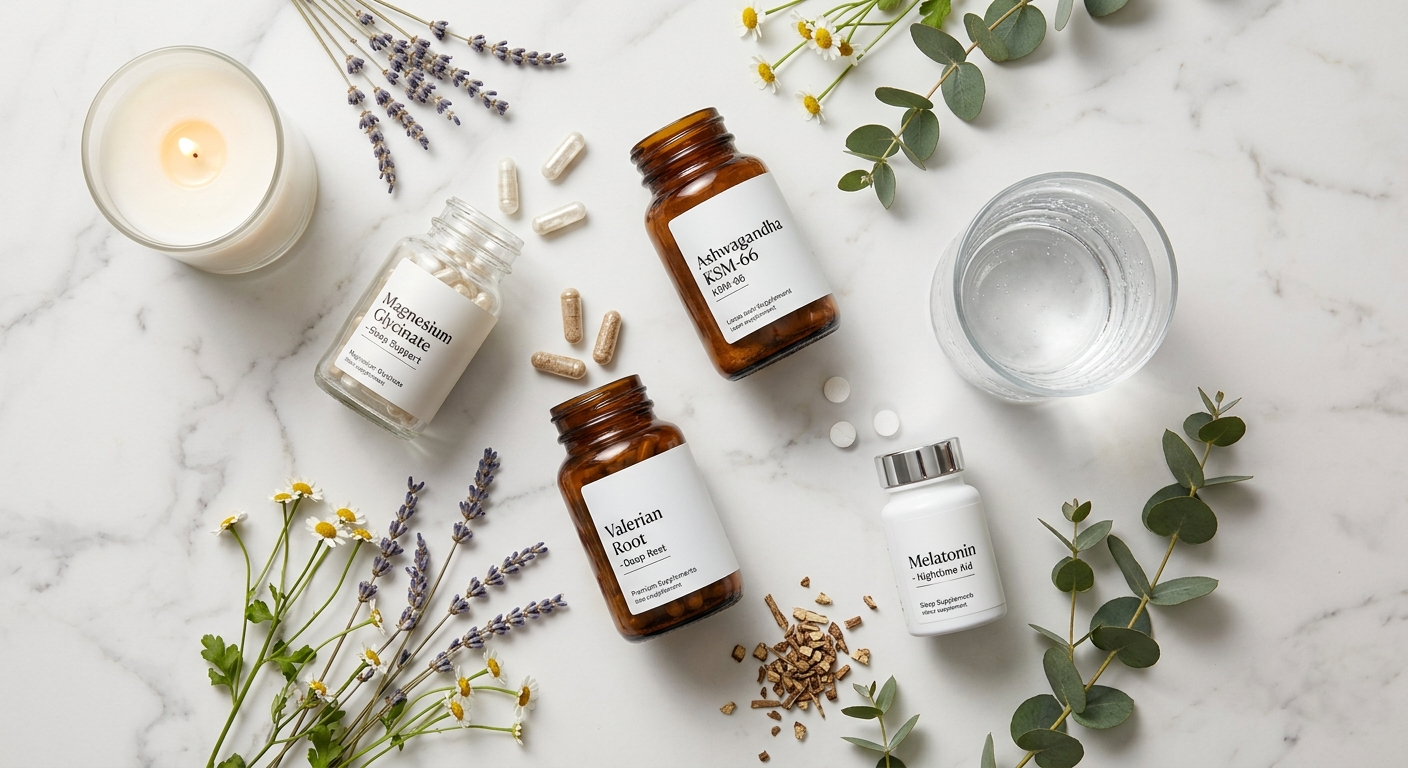
Supplement | Evidence Level | Dose Range | Timing | Primary Benefit |
|---|---|---|---|---|
Magnesium Glycinate | ★★★★★ Strong | 200–400mg | 30–60 min before bed | Relaxes nervous system, improves deep sleep, reduces cortisol |
Glycine | ★★★★☆ Good | 3g | Before bed | Lowers core body temp, improves sleep quality and morning alertness |
L-Theanine | ★★★★☆ Good | 100–200mg | Before bed | Promotes alpha brain waves, reduces sleep-onset anxiety |
Melatonin (low dose) | ★★★★☆ Good | 0.3–1mg | 60–90 min before target sleep time | Circadian phase adjustment; best for jet lag / shift work |
Ashwagandha (KSM-66) | ★★★★☆ Good | 300–600mg | Evening or split dose | Reduces cortisol, improves stress resilience and sleep quality |
Valerian Root | ★★★☆☆ Moderate | 300–600mg | 30–60 min before bed | May reduce sleep latency; inconsistent evidence |
Phosphatidylserine | ★★★☆☆ Moderate | 100–300mg | With dinner | Blunts evening cortisol elevation |
5-HTP | ★★★☆☆ Moderate | 50–100mg | Evening | Serotonin precursor; caution with antidepressants |
Tart Cherry Juice | ★★★☆☆ Moderate | 240ml | 1 hour before bed | Natural melatonin source; reduces muscle soreness |
CBD Oil | ★★☆☆☆ Limited | Varies | Before bed | Anxiolytic effects possible; inconsistent sleep data |
⚠️ Always consult a healthcare professional before beginning any supplement regimen. Supplements can interact with medications and may not be suitable for all individuals. This table is informational only and does not constitute medical advice.
Nutrition and Meal Timing for Better Sleep
Eating Your Way to Better Recovery
The relationship between nutrition, meal timing, and sleep quality is more powerful than most people realise. Chronobiology research confirms that what you eat, when you eat, and how that food interacts with your circadian biology profoundly shapes not just sleep onset, but sleep architecture and overnight hormonal balance.
Key nutritional principles for sleep optimisation:
Prioritise tryptophan-rich foods (turkey, eggs, seeds, dairy)
Tryptophan is the dietary precursor to both serotonin and melatonin
Ensure adequate magnesium intake through food
Leafy greens, pumpkin seeds, dark chocolate, legumes
Include complex carbohydrates at the evening meal
They facilitate tryptophan transport across the blood-brain barrier
Avoid high-glycaemic foods within 2 hours of sleep
Blood sugar instability drives nocturnal cortisol spikes
Limit caffeine after 1–2PM
Caffeine's half-life is approximately 5–6 hours; it remains active in your system far longer than most people appreciate
Reduce alcohol intake
While alcohol induces sedation, it suppresses REM sleep and fragments sleep architecture in the second half of the night
Time-Restricted Eating and Circadian Nutrition
Emerging chrononutrition research suggests that aligning food intake with your biological day, eating within a 10–12 hour window that begins within 1–2 hours of waking, supports circadian clock gene expression, improves metabolic health, and enhances overnight sleep quality. Conversely, late-night eating activates digestive processes and thermogenic responses that directly interfere with the core body temperature drop required for deep sleep.
The Perfect Sleep Environment: A Science-Based Setup Guide
The Modern Bedroom Is Secretly Sabotaging Your Recovery
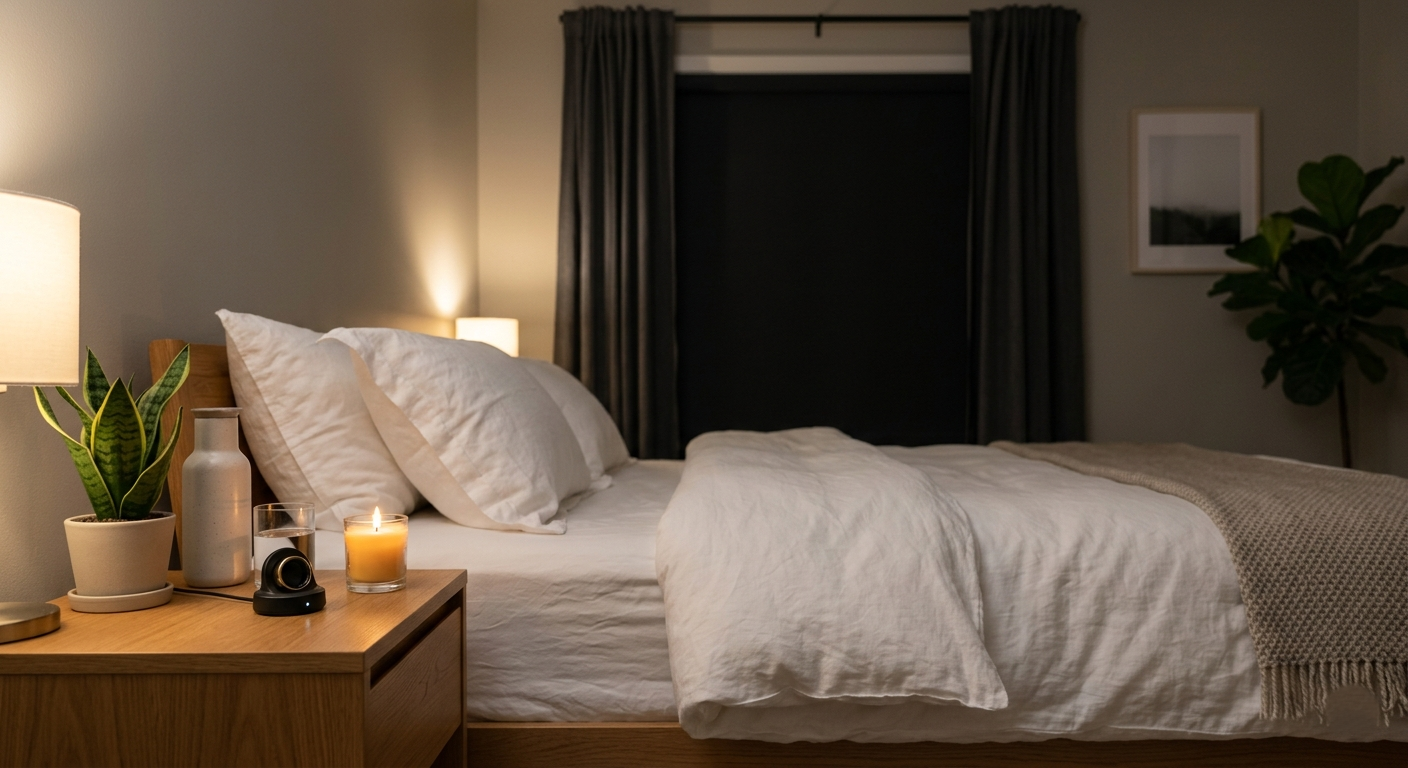
Most modern bedrooms are physiologically incompatible with optimal sleep. The average bedroom is too warm, too bright (including ambient light from electronics), too acoustically stimulating, and filled with psychological associations with work, screens, and stress that prevent the brain from completing its neurological transition into true sleep mode.
Sleep environment optimisation, sometimes called 'sleep hygiene architecture', is one of the highest-return, lowest-cost interventions available for improving sleep quality. Here's a comprehensive science-based framework:
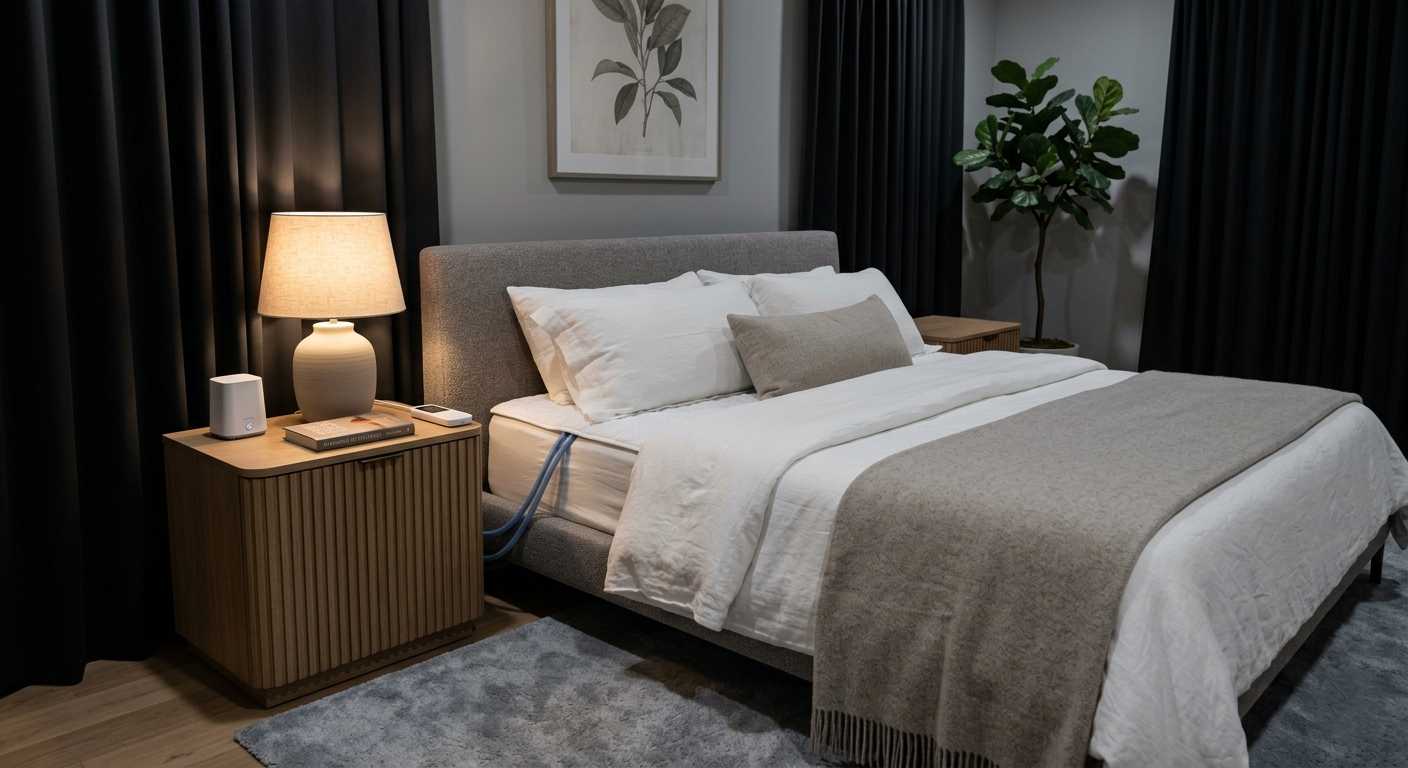
Sleep Environment Scorecard
Your Bedroom Optimisation Checklist |
|---|
🌡️ TEMPERATURE: Keep bedroom between 16–19°C (60–67°F) — cooler temperatures support the core body temperature drop required for deep sleep. Consider a cooling mattress pad (Eight Sleep, ChiliSleep) for precision control. |
🌑 DARKNESS: Aim for complete darkness. Even small amounts of light reaching the skin or eyes can suppress melatonin. Invest in high-quality blackout curtains or a sleep mask. Cover or remove all LED indicators. |
🔇 SOUND: Sleep-disrupting noise (snoring partners, traffic, neighbours) measurably fragments sleep architecture. White noise, pink noise, or brown noise at moderate volumes effectively masks variable sounds. |
🛏️ MATTRESS: Replace mattresses every 7–10 years. Medium-firm to firm mattresses support spinal alignment and reduce micro-awakenings from discomfort. Trial periods are essential — sleep preferences are highly individual. |
🫧 AIR QUALITY: Good ventilation or air purification improves sleep quality; CO2 accumulation in closed bedrooms increases overnight arousal. Houseplants (snake plant, pothos) provide modest natural filtration. |
📵 ELECTRONICS: Remove all screens from the bedroom or cover them completely. The bedroom should be psychologically associated exclusively with sleep and intimacy. |
🌿 SCENT: Lavender aromatherapy has modest evidence for reducing sleep-onset anxiety. Essential oil diffusers or pillow sprays can be incorporated as part of a sensory wind-down signal. |
Evening Routines and Morning Habits That Transform Sleep
Your Evening Wind-Down Protocol
The quality of your sleep is largely determined in the 2–3 hours before you get into bed. The evening period is your biological preparation window — the time during which your nervous system, endocrine system, and thermoregulation all need to begin their descent into sleep readiness. Intentional evening habits can dramatically accelerate and deepen this transition.
Evidence-Based Evening Routine Template
| Time Before Sleep | Recommended Activity |
| 3 hours before | Last substantial meal. Dim overhead lights in your home. Begin reducing cognitive and emotional stimulation. |
| 2 hours before | Stop work and work-related emails/messages. Shift to low-stimulation activities: reading, gentle stretching, conversation. |
| 90 minutes before | Take a warm bath or shower (counterintuitively, warming the skin accelerates the subsequent core body temperature drop that initiates deep sleep). |
| 60 minutes before | Blue-light blocking glasses if continuing any screen use. Begin formal wind-down: journalling, meditation, breathing exercises. |
| 30 minutes before | No screens. Dim lighting. Consider magnesium glycinate or L-theanine. Gentle breathwork (4-7-8 breathing, box breathing). |
| Bedtime | Consistent sleep time — same time every night, including weekends (within 30 minutes). Dark, cool room. No phone in the bedroom. |
Morning Habits That Reset Your Circadian Rhythm
Your morning routine is the most powerful circadian anchor available. What you do in the first 30–60 minutes after waking has an outsized influence on your sleep quality the following night, because it sets your biological clock, determines your cortisol awakening response, and initiates the melatonin countdown for that evening.
The Evidence-Based Morning Reset
Get bright natural light in your eyes within 30 minutes of waking
Even on cloudy days, outdoor light is 10–50 times more powerful than indoor lighting for circadian entrainment
Delay caffeine by 90–120 minutes after waking
This allows the adenosine (sleep pressure) clearance to complete naturally, producing more sustained energy without the mid-morning crash
Move your body
Morning exercise advances your circadian phase and reduces evening stress hormones
Eat breakfast within 2 hours of waking
This signals to your peripheral clocks that the active day has begun
Avoid bright artificial light for the first 15 minutes of waking
Allow your eyes to adjust gradually
Biohacking Sleep Naturally
Advanced Sleep Optimisation Strategies
Beyond foundational sleep hygiene, a growing body of biohacking research has identified several advanced interventions that meaningfully enhance sleep quality, recovery scores, and next-day performance:
Temperature Biohacking
Precision temperature regulation is among the most evidence-backed sleep biohacks available. Cooling mattress pads (Eight Sleep Pod, ChiliSleep OOLER) maintain programmable mattress temperatures throughout the night — allowing the body's natural temperature decline to proceed unimpeded and potentially increasing time in deep sleep by up to 20% in some studies.
Nasal Breathing and Mouth Taping
Emerging evidence suggests that nasal breathing during sleep — compared to mouth breathing — significantly improves oxygen exchange, reduces snoring frequency, supports nitric oxide production, and correlates with better sleep quality scores on wearable devices. Surgical micropore tape across the lips during sleep is used by some sleep biohackers to encourage nasal breathing, though this should be discussed with a healthcare professional for individuals with nasal obstruction or respiratory conditions.
HRV Training and Nervous System Conditioning
Heart Rate Variability (HRV) biofeedback training — using devices like HeartMath or apps like Elite HRV — can measurably improve vagal tone and autonomic nervous system flexibility over time, directly enhancing the body's capacity for overnight restoration and recovery. Regular slow, resonant breathing practice (approximately 5–6 breaths per minute) for 10–20 minutes daily produces sustained improvements in HRV and sleep quality.
Red Light Therapy
Near-infrared and red light therapy (wavelengths 630–850nm) has demonstrated promising effects on circadian rhythm regulation, melatonin production, and mitochondrial function in early research. Evening red light exposure — contrasted with blue-spectrum light — may support the biological transition into sleep readiness without the circadian disruption associated with standard artificial lighting.
Common Sleep Mistakes Most Adults Are Making
Even well-intentioned, health-conscious adults routinely make sleep-disrupting choices that compound over time into significant sleep debt and recovery deficits. Here are the most common:
| Top 15 Sleep Mistakes to Eliminate Tonight |
| 1. Inconsistent sleep and wake times — the most damaging circadian disruptor |
| 2. Checking your phone within the first/last 30 minutes of your sleep window |
| 3. Having caffeine after 1PM (or earlier if caffeine-sensitive) |
| 4. Exercising intensely within 2 hours of sleep (raises core temp and cortisol) |
| 5. Drinking alcohol to 'help you sleep' — alcohol fragments sleep and suppresses REM |
| 6. Sleeping in a warm bedroom (above 20°C significantly impairs deep sleep) |
| 7. Eating large meals within 2–3 hours of bedtime |
| 8. Using bright overhead lights in the evening |
| 9. Napping after 3PM or for longer than 20–30 minutes |
| 10. Sleeping in on weekends by more than 60–90 minutes (social jet lag) |
| 11. Leaving work notifications enabled at night |
| 12. Working from bed — collapsing the bedroom's psychological sleep association |
| 13. Using sleeping pills as a long-term solution without addressing root causes |
| 14. Ignoring persistent snoring (possible sleep apnoea — a serious medical condition) |
| 15. Dismissing chronically poor sleep as 'just stress' without professional evaluation |
When to Seek Professional Sleep Support
Sleep Disorders and Red Flags
While most sleep quality issues respond well to evidence-based lifestyle interventions, there are clinical sleep disorders that require professional evaluation and treatment. Recognising the difference between optimisable sleep habits and medical sleep disorders is critically important.
Red Flags That Warrant a Healthcare Consultation
Loud, persistent snoring — particularly with witnessed pauses in breathing (potential sleep apnoea)
Excessive daytime sleepiness that impairs work, driving, or social function despite sufficient sleep hours
Restless legs syndrome — uncomfortable sensations in the legs at rest, particularly in evenings
Sleepwalking, sleep talking, or acting out dreams (REM Sleep Behaviour Disorder)
Persistent insomnia (difficulty initiating or maintaining sleep) lasting more than 4 weeks
Waking feeling unrefreshed every morning despite 7–9 hours in bed
Narcolepsy symptoms — sudden muscle weakness triggered by emotion (cataplexy)
Chronic morning headaches (can indicate overnight oxygen desaturation)
Sleep Disorders: An Overview
| Sleep Disorder | Key Characteristics & Next Steps |
| Obstructive Sleep Apnoea (OSA) | Repeated upper airway collapse during sleep → oxygen desaturation → arousals. Affects ~15–30% of adults (many undiagnosed). Diagnosis via polysomnography. Treatment: CPAP, dental appliances, positional therapy. |
| Chronic Insomnia Disorder | Difficulty initiating or maintaining sleep ≥3 nights/week for ≥3 months. First-line treatment: CBT-I (Cognitive Behavioural Therapy for Insomnia) — more effective than sleeping pills. |
| Circadian Rhythm Sleep Disorders | Persistent misalignment between internal clock and desired sleep timing. Subtypes: DSPS (delayed phase), ASPS (advanced phase), non-24. Light therapy, melatonin, and chronotherapy are primary treatments. |
| Restless Legs Syndrome | Uncomfortable urge to move legs at rest; worsens in evenings. Iron deficiency, kidney disease, and certain medications can trigger or worsen it. |
| Hypersomnia / Narcolepsy | Excessive daytime sleepiness despite adequate night sleep. Narcolepsy involves deficiency of orexin/hypocretin. Requires specialist neurological evaluation. |
The Future of Sleep: Technology, Science, and Recovery Innovation
What's Coming in Sleep Technology and Research
The sleep science and technology landscape is evolving at an extraordinary pace. Here are the most significant emerging trends shaping the future of sleep optimisation:
Closed-loop sleep technology
Mattresses and devices that dynamically adjust temperature, sound, and light in real-time based on detected sleep stage data
AI-powered personalised sleep coaching
Platforms that analyse months of wearable data to generate truly individualised sleep improvement protocols
Transcranial Direct Current Stimulation (tDCS) for sleep enhancement
Early research showing potential for enhancing slow-wave sleep intensity
Chronotherapy and precision medicine
Genetic testing to identify chronotype, caffeine metabolism speed, and individual supplement responses
Non-invasive continuous glucose monitoring for sleep optimisation
Real-time blood sugar data to prevent overnight cortisol spikes
Social sleep health integration
Corporate wellness programmes incorporating recovery scores into workload management and productivity planning
Acoustic sleep enhancement
Precisely calibrated pink noise and slow oscillation auditory stimulation during deep sleep phases
The convergence of neuroscience, wearable technology, chronobiology, and personalised medicine is producing a sleep optimisation revolution that will make the tools available today look primitive by comparison. The fundamental insight, however, remains unchanged: sleep is not passive downtime. It is the most sophisticated biological repair and regeneration system available to human beings, and every investment in its quality compounds over a lifetime.
The Sleep Optimisation Framework: Your 4-Week Reset Plan
Week 1: Foundation
Set a consistent wake time (even weekends) and hold it for 7 days
Get outdoor light exposure within 30 minutes of waking every day
Eliminate caffeine after 1PM
Create a hard stop for work at least 2 hours before sleep
Week 2: Environment
Optimise bedroom temperature to 16–19°C
Install blackout curtains or use a quality sleep mask
Remove screens from the bedroom or use a strict no-phone boundary
Add white or pink noise if you have a variable sound environment
Week 3: Evening Ritual
Begin a 30–60 minute consistent wind-down routine
Introduce magnesium glycinate (200–400mg) before bed
Try a warm bath or shower 90 minutes before sleep
Replace evening news and social media scrolling with reading or journalling
Week 4: Tracking and Refinement
Begin tracking sleep with a wearable if desired (Oura Ring, WHOOP, Garmin)
Monitor trends in deep sleep, HRV, and recovery scores over 2–4 weeks
Identify personal sleep disruptors through data correlation
Consult a professional if red flags persist despite consistent implementation
Frequently Asked Questions (FAQ)
Q: How many hours of sleep do adults really need?
A: Most adults require 7–9 hours of sleep per night for optimal health and function. However, sleep quality and architecture matter as much as duration. Some individuals function optimally at 7 hours with excellent sleep quality, while others genuinely need 9 hours. Persistent daytime sleepiness despite 7+ hours usually indicates a sleep quality or timing issue.
Q: What is a good deep sleep percentage?
A: A healthy target for deep sleep (N3/slow-wave sleep) is approximately 15–25% of total sleep time, or roughly 1–2 hours per 8-hour sleep period. Deep sleep naturally declines with age, which is why lifestyle and supplement support for deep sleep becomes increasingly important from the mid-30s onwards.
Q: What is HRV and why does it matter for sleep?
A: Heart Rate Variability (HRV) is the variation in time between heartbeats and serves as a sensitive indicator of autonomic nervous system health and recovery status. Higher HRV during sleep is associated with better recovery, lower stress, and more effective sleep architecture. Wearables like Oura Ring and WHOOP measure overnight HRV as a core component of their recovery scores.
Q: Does melatonin actually improve sleep?
A: Melatonin is most effective as a circadian phase-shifting tool — helping adjust the timing of your biological sleep window (e.g., for jet lag or shift work) rather than as a direct sleep-inducing sedative. Low doses (0.3–1mg) are more physiologically appropriate than the 5–10mg doses commonly sold in supplements. For general sleep quality improvement, magnesium glycinate and L-theanine typically show stronger evidence.
Q: What is sleep debt and can I recover from it?
A: Sleep debt is the cumulative physiological deficit created by consistently sleeping fewer hours than your body requires. While short-term recovery sleep can restore some cognitive function, chronic sleep debt creates lasting metabolic, hormonal, and inflammatory changes that require sustained sleep improvement over weeks to months to fully address. The best strategy is prevention through consistent sleep habits.
Q: Is the Oura Ring worth it for sleep tracking?
A: The Oura Ring is widely regarded as one of the most accurate consumer sleep tracking devices currently available, offering detailed sleep stage data, HRV tracking, skin temperature monitoring, and a comprehensive Readiness Score. Its discreet ring form factor makes it particularly comfortable for continuous wear. The core question is whether having this data will motivate positive behaviour change — for most people with sleep concerns, the answer is yes.
Q: Why do I wake up at 3AM every night?
A: Regular 3AM awakenings are most commonly caused by: blood sugar drops triggering cortisol release, sleep apnoea causing arousal after obstructive events, heightened sympathetic nervous system activity from chronic stress, and circadian-timed light-sleep transitions between 90-minute cycles. Addressing blood sugar stability (protein-rich evening snack if needed), cortisol management, and screening for sleep apnoea typically resolves this pattern.
Q: What supplements help with sleep?
A: The best-evidenced sleep supplements include magnesium glycinate (200–400mg), glycine (3g), L-theanine (100–200mg), and low-dose melatonin (0.3–1mg) for circadian adjustment. Ashwagandha (KSM-66 extract) is supported for cortisol reduction and secondary sleep improvement. Always consult a healthcare professional before beginning supplementation.
Q: How does stress affect sleep quality?
A: Stress elevates cortisol and activates the sympathetic nervous system, suppressing melatonin production, increasing sleep onset time, fragmenting sleep architecture, and specifically reducing deep slow-wave sleep. Chronic stress creates a self-perpetuating cycle where poor sleep impairs stress resilience the following day. Targeted evening stress management — including breathwork, gentle movement, and digital boundaries — is foundational to sleep improvement.
Q: When should I see a doctor about sleep?
A: Seek professional evaluation for: loud or witnessed snoring with breathing pauses, excessive daytime sleepiness impairing function or driving safety, restless legs symptoms, sleep paralysis or dream-enacting behaviours, persistent insomnia lasting more than 4–6 weeks, and consistently unrefreshing sleep despite 7+ hours. A GP referral to a sleep clinic, or direct consultation with a sleep medicine physician, is appropriate in these circumstances.
Start Your Sleep Transformation Tonight
You've just read one of the most comprehensive explorations of sleep optimisation science available. Now comes the part that actually changes things: implementation.
Sleep optimisation is not about perfection. It's not about hitting a perfect recovery score every night or following a rigid protocol without flexibility. It's about understanding your body deeply enough to give it what it genuinely needs — consistently, compassionately, and with the patience that genuine biological change requires.
The single most important thing you can do tonight? Choose a consistent wake time. Set it. And hold to it tomorrow morning regardless of when you fall asleep. That single act begins resetting your circadian rhythm immediately.
Everything else in this guide can layer on top of that foundation — one sustainable change at a time.
Medical Disclaimer
This article is intended for educational and informational purposes only and does not constitute medical advice, diagnosis, or treatment. The information provided is not a substitute for professional medical consultation. Sleep disorders require evaluation by a qualified healthcare professional. Supplements may interact with medications and affect individuals differently; always consult your doctor or pharmacist before beginning any supplementation. Persistent or severe sleep problems, excessive daytime sleepiness, or symptoms such as loud snoring with witnessed breathing pauses require prompt medical evaluation. If you experience a medical emergency, contact emergency services immediately. The author and publisher accept no liability for actions taken based on the information in this article.
Final Reflection: Sleep Is an Act of Self-Respect
In a culture that glorifies exhaustion and treats rest with suspicion, choosing to prioritise sleep is quietly revolutionary. It is a profound act of self-respect, an acknowledgment that your health, your clarity, your creativity, your relationships, and your longevity are all worth protecting.
The science is extraordinarily clear: nothing you do for your health, no supplement stack, no fitness protocol, no dietary intervention, no productivity system, will work optimally on a foundation of chronic sleep deprivation. Sleep is not the support act. It is the headline.
Begin tonight. Begin simply. Begin with consistency. And trust that the biology, three billion years of evolutionary sophistication, will do the rest.