Alcohol is the most widely consumed psychoactive substance in the world. It is embedded into social rituals, cultural celebrations, and daily routines across nearly every society on earth. For the majority of people, drinking remains a manageable, occasional pleasure. But for a significant and growing number, what begins as casual consumption gradually transforms into a compulsion, a dependence that reshapes the brain, erodes health, fractures relationships, and diminishes the capacity to live fully.
Drink addiction, clinically termed Alcohol Use Disorder (AUD), is defined by the Diagnostic and Statistical Manual of Mental Disorders (DSM-5) as a chronic relapsing brain disease characterized by compulsive alcohol use, loss of control over intake, and a negative emotional state when not using alcohol. It is not a moral failing, a character weakness, or a lifestyle choice. It is a complex, multifactorial medical condition with neurological, genetic, psychological, and social dimensions.
According to the World Health Organization (WHO), alcohol contributes to more than 3 million deaths globally each year, representing 5.3% of all deaths worldwide. It is a causal factor in more than 200 disease and injury conditions. Despite these devastating statistics, only a small fraction of those affected by alcohol use disorder receive treatment. Stigma, denial, lack of access to services, and inadequate public understanding remain significant barriers.
This comprehensive guide is designed to change that. Whether you are concerned about your own drinking, supporting a loved one, or seeking to understand addiction more deeply, this article provides the information, tools, and resources to take the next step toward health and recovery.
1. What Is Drink Addiction? Definitions and Clinical Framework
Drink addiction exists on a spectrum. Not everyone who drinks heavily is addicted, and not every person with an alcohol problem drinks daily. Understanding where on the spectrum a person's relationship with alcohol falls is essential for identifying the appropriate level of support and intervention.
1.1 The Spectrum of Alcohol Use
Category | Description | Key Indicator |
Low-risk drinking | Drinking within national guidelines; no significant negative consequences | Men: up to 14 units/week; Women: up to 14 units/week (UK); No binge episodes |
Heavy drinking | Regularly exceeding guidelines; some negative consequences beginning to emerge | Consistent excess; occasional regret; early tolerance development |
Binge drinking | Consuming large quantities in a short time (4+ drinks for women; 5+ for men per occasion) | Episodic heavy use; blackouts; risky behaviour under the influence |
Alcohol abuse | Recurrent harmful use despite negative consequences to work, relationships, or safety | Persistent use despite consequences; not yet physically dependent |
Alcohol dependence | Physical and psychological reliance on alcohol; withdrawal symptoms when not drinking | Tolerance; withdrawal; craving; inability to control intake |
Alcohol Use Disorder | Clinical diagnosis; mild, moderate, or severe based on DSM-5 criteria | 2+ DSM-5 criteria in 12 months (mild: 2-3; moderate: 4-5; severe: 6+) |
1.2 DSM-5 Diagnostic Criteria for Alcohol Use Disorder
According to the DSM-5, a diagnosis of Alcohol Use Disorder requires that a person meets at least two of the following eleven criteria within a 12-month period:
Drinking more, or for longer, than intended.
Persistent desire or unsuccessful attempts to cut down or control drinking.
Spending a great deal of time obtaining, using, or recovering from alcohol.
Strong cravings or urges to drink.
Failure to fulfil major obligations at work, school, or home because of drinking.
Continued drinking despite persistent social or interpersonal problems caused by alcohol.
Giving up important activities (social, occupational, recreational) because of drinking.
Repeatedly drinking in situations where it is physically hazardous.
Continuing to drink despite knowing it is causing or worsening a physical or psychological problem.
Tolerance, needing significantly more alcohol to feel the same effect.
Withdrawal, experiencing physical or psychological symptoms when alcohol use is reduced or stopped
2. Causes and Risk Factors: Why Does Drink Addiction Develop?
Alcohol use disorder does not have a single cause. It develops through a complex interaction of genetic predisposition, neurological changes, psychological vulnerabilities, social environment, and cultural factors. Understanding these factors is essential for destigmatizing the condition and for identifying those at greatest risk.
2.1 Genetic and Biological Factors
Genetics account for approximately 40-60% of an individual's risk of developing AUD, according to research published in the journal Alcohol Research. Children of parents with alcohol use disorder are four times more likely to develop the condition themselves — a risk that persists even when raised in different family environments, indicating that biological inheritance, not just learned behaviour, plays a central role.
Specific gene variants affect how the body metabolizes alcohol (e.g., variants in ADH1B and ALDH2 genes alter alcohol breakdown speed, influencing both the pleasurable and aversive effects of drinking).
Genetic differences in dopamine receptor density and activity influence how strongly individuals experience alcohol's rewarding effects.
Family history of alcoholism is one of the strongest known risk factors for AUD.
2.2 Neurological Mechanisms: How Alcohol Hijacks the Brain
Alcohol exerts powerful effects on multiple neurotransmitter systems in the brain, which is why it produces such varied psychological effects, relaxation, euphoria, disinhibition, sedation, and why dependence develops with repeated use.
Dopamine: Alcohol triggers dopamine release in the brain's reward centers (particularly the nucleus accumbens), producing pleasurable sensations that reinforce drinking behaviour. With repeated use, the brain downregulates its own dopamine receptors, requiring more alcohol to achieve the same effect, the neurological basis of tolerance.
GABA: Alcohol enhances the activity of GABA, the brain's primary inhibitory neurotransmitter, producing sedation and anxiety reduction. The brain compensates by downregulating GABA receptors, explaining why alcohol becomes less effective over time and why withdrawal produces hyperexcitability, anxiety, and seizures.
Glutamate: Alcohol suppresses glutamate (the brain's primary excitatory neurotransmitter). Upon withdrawal, glutamate activity rebounds dramatically, contributing to tremors, agitation, hallucinations, and in severe cases, life-threatening seizures.
Prefrontal Cortex: Chronic alcohol use damages the prefrontal cortex, the region responsible for decision-making, impulse control, and judgment, further impairing the person's ability to resist cravings or make rational choices about their drinking.
2.3 Psychological Risk Factors
Mental health conditions: Depression, anxiety disorders, PTSD, and bipolar disorder significantly increase the risk of AUD. Many people begin using alcohol as a form of self-medication for psychological pain a pattern that reliably worsens the underlying condition over time.
Trauma and adverse childhood experiences (ACEs): Childhood abuse, neglect, household instability, and early exposure to domestic violence are among the strongest predictors of adult AUD.
Impulsivity and sensation-seeking: Personality traits associated with risk-taking and low inhibitory control are linked to earlier and heavier drinking.
Low self-esteem and poor emotional regulation: Individuals who struggle to tolerate negative emotions without external coping mechanisms are at elevated risk.
2.4 Social and Environmental Risk Factors
Peer influence: Social environments where heavy drinking is normalized or rewarded exert significant influence, particularly in adolescence and early adulthood.
Early onset of drinking: Those who begin drinking before age 15 are four times more likely to develop AUD than those who start at 21.
Availability and affordability of alcohol: Price, licensing laws, and physical access to alcohol influence population-level consumption patterns.
Occupational culture: Certain industries (hospitality, finance, entertainment, armed forces) have cultures that normalize and encourage heavy drinking.
Stress and life events: Job loss, bereavement, relationship breakdown, financial crisis, and social isolation are common triggers for problematic escalation in drinking.
3. Recognizing the Warning Signs of Drink Addiction
One of the most insidious features of alcohol use disorder is that it develops gradually and is frequently minimized or denied, both by the person affected and by those around them. Recognizing the warning signs early dramatically improves the chances of successful intervention and recovery.

3.1 Behavioural Warning Signs
Drinking more than planned on a regular basis, setting limits and consistently exceeding them.
Drinking at increasingly earlier times of the day, including the morning.
Choosing drinking over activities, hobbies, or social engagements that were previously enjoyed.
Hiding alcohol, drinking in secret, or being dishonest about the amount consumed.
Becoming irritable, defensive, or aggressive when questioned about drinking habits.
Continuing to drink despite experiencing blackouts, accidents, or dangerous situations caused by alcohol.
Driving or operating machinery under the influence.
3.2 Physical Warning Signs
Requiring alcohol to function normally or to relieve anxiety or discomfort.
Experiencing withdrawal symptoms when not drinking: tremors, sweating, nausea, rapid heartbeat, insomnia, or seizures.
Noticeably increased tolerance, needing much larger quantities to feel intoxicated.
Neglecting personal hygiene, nutrition, and physical health.
Unexplained weight changes, bloodshot eyes, broken capillaries on the nose, or a persistent odor of alcohol.
Frequent illness as immune function declines.
3.3 Psychological and Social Warning Signs
Persistent mood instability; depression, anxiety, irritability, or emotional numbness linked to drinking cycles.
Increasing social isolation; withdrawing from friends, family, and community.
Relationship conflict escalating around drinking behaviour.
Declining performance at work or school; absenteeism or disciplinary issues.
Financial difficulties caused by alcohol expenditure.
Loss of interest in goals, values, or the future.
4. The Effects of Drink Addiction: Physical, Mental, and Social
The consequences of untreated alcohol use disorder are far-reaching and devastatingly serious. They affect virtually every organ system in the body, profoundly alter brain structure and function, and dismantle the social and relational fabric of a person's life. Understanding the full scope of these effects is critical, not to induce shame, but to communicate the genuine urgency of seeking help.
4.1 Physical Health Effects
Organ/System | Condition / Damage | Notes |
Liver | Fatty liver, alcoholic hepatitis, cirrhosis, liver failure | Cirrhosis is irreversible; liver failure is life-threatening without transplant |
Brain | Wernicke-Korsakoff syndrome, cerebral atrophy, cognitive decline | Thiamine (B1) deficiency from poor nutrition causes permanent memory damage |
Heart | Cardiomyopathy, arrhythmias, hypertension, stroke | Heavy drinking is a major independent risk factor for heart disease and stroke |
Pancreas | Alcoholic pancreatitis, chronic pancreatitis | Can cause severe abdominal pain, malabsorption, and diabetes |
Immune System | Suppressed immunity; increased susceptibility to infection | Including pneumonia and tuberculosis; impaired wound healing |
Gastrointestinal | Gastritis, ulcers, oesophageal varices, bowel disease | Varices can rupture and cause life-threatening internal bleeding |
Cancer | Mouth, throat, oesophagus, liver, colon, breast cancers | Alcohol is a Group 1 carcinogen; no safe level for cancer risk |
Reproductive | Sexual dysfunction, infertility, hormonal disruption | Testosterone reduction in men; menstrual disruption in women |
Fetal Development | Fetal Alcohol Spectrum Disorders (FASDs) in children born to mothers who drank during pregnancy | Leading preventable cause of intellectual disability |
Nervous System | Peripheral neuropathy: pain, numbness, weakness in limbs | Caused by nerve damage and nutritional deficiencies |
4.2 Mental Health Effects
The relationship between alcohol use disorder and mental health is bidirectional and deeply entangled. Alcohol is frequently used to self-medicate pre-existing mental health conditions, while simultaneously worsening those very conditions and generating new ones.
Depression: Alcohol is a central nervous system depressant. Chronic use depletes serotonin and dopamine over time, causing or severely worsening depressive disorders. Up to 40% of people with AUD meet criteria for major depressive disorder.
Anxiety disorders: While alcohol produces short-term anxiety relief, it increases baseline anxiety through GABA receptor downregulation. Alcohol-induced anxiety is one of the most common reasons people continue drinking despite wanting to stop.
Psychosis: Severe alcohol withdrawal and Wernicke-Korsakoff syndrome can produce hallucinations, delusions, and delirium tremens, a life-threatening withdrawal state.
PTSD: Trauma and alcohol use disorder are strongly co-occurring conditions. Many individuals with PTSD use alcohol to suppress intrusive memories and hyperarousal, a strategy that invariably worsens trauma symptoms and delays recovery.
Suicidality: AUD is associated with a dramatically elevated risk of suicidal ideation and completed suicide. Alcohol lowers inhibition and impairs rational decision-making, increasing impulsive risk-taking during emotional crises.
Cognitive impairment: Chronic alcohol use causes measurable damage to memory, attention, executive function, visuospatial processing, and emotional regulation, many of which partially recover with sustained sobriety.
4.3 Social and Relational Effects
Family breakdown: AUD is a leading cause of relationship dissolution, domestic violence, child neglect, and family dysfunction. Research consistently shows that alcohol is involved in approximately 50% of domestic abuse cases.
Parenting impairment: Children raised in households affected by parental AUD face significantly elevated rates of anxiety, depression, behavioural disorders, and future substance use problems.
Occupational consequences: Job loss, absenteeism, reduced productivity, disciplinary action, and career derailment are common consequences of untreated AUD.
Financial harm: Direct costs (alcohol purchases) combined with indirect costs (lost earnings, medical bills, legal fees, fines) can rapidly produce financial devastation.
Legal consequences: Drink driving offences, public disorder charges, assault convictions, and child protection proceedings disproportionately affect people with AUD.
Social isolation: Shame, stigma, relationship damage, and the progressive narrowing of life around alcohol leads to profound loneliness, which in turn drives further drinking.
4.4 Effects on the Family and Those Around the Person
Alcohol use disorder is often described as a 'family disease', not because it is literally contagious, but because its effects radiate outward from the person drinking to profoundly affect every member of their household and close social circle. Partners of those with AUD experience significantly higher rates of depression, anxiety, domestic abuse, and financial insecurity. Children bear some of the most lasting consequences, including developmental disruption, attachment difficulties, and a heightened risk of developing AUD themselves in adulthood.
Family members often develop enabling behaviours, covering for the person, minimizing consequences, absorbing financial impacts, that, however well-intentioned, can inadvertently sustain the addiction. Recognizing these patterns and seeking support for family members is as important as treatment for the person with AUD.
5. Alcohol Withdrawal: Understanding the Risks
For individuals with moderate to severe physical alcohol dependence, stopping or drastically reducing alcohol consumption without medical supervision can be life-threatening. This is not an exaggeration and cannot be overstated: alcohol withdrawal is one of the few withdrawal syndromes that can cause death.
5.1 Withdrawal Timeline and Symptoms
Timeframe | Symptoms | Severity |
6-12 hours after last drink | Tremors, sweating, nausea, vomiting, headache, anxiety, insomnia | Mild to moderate; uncomfortable but generally manageable |
12-24 hours | Severe tremors, agitation, elevated blood pressure, visual/auditory hallucinations | Moderate to severe; medical monitoring strongly recommended |
24-48 hours | Seizures (tonic-clonic); peak risk window for withdrawal seizures | Severe; medical supervision essential; seizures can be fatal |
48-72 hours | Delirium Tremens (DTs): confusion, disorientation, extreme agitation, fever, rapid heart rate, hallucinations | Life-threatening emergency; mortality rate 5-15% without treatment |
Up to 7-10 days | Gradual resolution of acute symptoms; Post-Acute Withdrawal Syndrome (PAWS) may persist for weeks to months | Ongoing craving, mood instability, cognitive fog, sleep disruption |
MEDICAL WARNING: Never Detox Alone
Anyone with a history of heavy, daily drinking should NEVER attempt to stop abruptly without medical guidance. Medically supervised detoxification using benzodiazepines or other medications dramatically reduces the risk of seizures, delirium tremens, and death. Always consult a doctor before beginning alcohol withdrawal.
6. How to Manage Drink Addiction: Treatment and Recovery Pathways
Recovery from alcohol use disorder is genuinely achievable. Research consistently shows that with appropriate treatment, support, and time, the majority of people with AUD significantly reduce their drinking or achieve sustained sobriety. Recovery is rarely linear, relapse is common and does not represent failure, but each attempt at sobriety builds neurological and psychological resilience and brings the person closer to lasting recovery.
6.1 Step One: Acknowledging the Problem
Denial is a defining feature of alcohol use disorder, driven by shame, fear, neurological impairment, and the protective mechanisms of the addicted brain. The first, and often hardest, step in recovery is an honest acknowledgement that drinking has become a problem that requires external help. No one recovers from AUD through willpower alone; the brain changes caused by chronic alcohol use make this neurologically impossible for most people without support.
Speak honestly with a trusted friend, family member, or doctor about your concerns.
Complete a validated self-assessment tool such as the AUDIT (Alcohol Use Disorders Identification Test), available through your GP or online.
Contact your primary care physician, a non-judgmental conversation with a doctor is one of the most effective starting points for accessing appropriate support.
6.2 Medically Supervised Detoxification
For those with significant physical dependence, medically supervised detoxification is the essential first step. Detox is not a treatment for AUD in itself, it manages withdrawal safely, but it creates the physiological stability from which meaningful psychological treatment can begin.
Inpatient detox: Conducted in a hospital or residential facility; provides 24-hour monitoring; essential for those with a history of seizures, delirium tremens, or complex medical needs.
Outpatient detox: Available for those with milder physical dependence and strong social support; involves regular medical check-ins and prescribed medications taken at home.
Medications used in detox: Benzodiazepines (diazepam, lorazepam, chlordiazepoxide) are the gold standard for preventing withdrawal seizures. Thiamine (Vitamin B1) is routinely administered to prevent Wernicke's encephalopathy.
6.3 Pharmacological Treatments for AUD
Several medications have robust evidence for reducing cravings, preventing relapse, and supporting long-term sobriety. These are prescribed by physicians and are most effective when combined with psychological treatment and social support.
Medication | How It Works | Best For |
Naltrexone | Blocks opioid receptors; reduces the pleasurable 'high' from alcohol and diminishes cravings | People who want to reduce or stop drinking; high craving profiles |
Acamprosate | Stabilizes glutamate and GABA systems disrupted by chronic alcohol use; reduces post-acute withdrawal anxiety | Maintaining abstinence after detox; PAWS management |
Disulfiram | Causes extremely unpleasant physical reaction (flushing, nausea, vomiting) if alcohol is consumed — deterrent effect | Highly motivated individuals; works best with daily supervised dosing |
Nalmefene | Opioid receptor modulator; approved for harm reduction (reducing rather than stopping drinking) in some countries | Those not ready for full abstinence; reducing heavy drinking episodes |
Gabapentin | Reduces cravings and anxiety; some evidence for managing mild to moderate withdrawal | Used adjunctively; particularly useful where co-occurring anxiety exists |
6.4 Psychological Treatments and Therapies
Pharmacological treatment addresses the neurological dimensions of AUD, but lasting recovery requires addressing the psychological, emotional, and behavioural roots of the addiction. Evidence-based psychological therapies are the cornerstone of long-term recovery.
Cognitive Behavioural Therapy (CBT)
CBT is the most extensively researched psychological treatment for AUD. It helps individuals identify the thoughts, beliefs, emotions, and situations that trigger drinking; develop alternative coping strategies; challenge distorted thinking patterns; and build skills for managing cravings and high-risk situations. Multiple meta-analyses confirm CBT's efficacy for reducing alcohol use and preventing relapse.
Motivational Interviewing (MI)
MI is a collaborative, non-confrontational counselling approach that helps individuals explore and resolve ambivalence about change. Rather than telling people what to do, motivational interviewing evokes the person's own reasons, values, and goals in relation to their drinking, significantly enhancing motivation for treatment engagement. MI is particularly effective at the early stages of change when ambivalence is high.
Twelve-Step Facilitation (AA and Similar Programs)
Alcoholics Anonymous (AA) and similar peer support programs have helped millions of people achieve and maintain sobriety for decades. Based on twelve guiding principles including acceptance, surrender, making amends, and spiritual development, AA provides community, accountability, a structured framework for recovery, and the irreplaceable experience of peer support from others who understand addiction from the inside. Research consistently shows that regular AA attendance is associated with better long-term sobriety outcomes.
Dialectical Behaviour Therapy (DBT)
Originally developed for borderline personality disorder, DBT has demonstrated effectiveness for individuals with AUD and co-occurring emotional dysregulation or trauma. It teaches four core skill sets: mindfulness, distress tolerance, emotion regulation, and interpersonal effectiveness, all of which directly support recovery.
Trauma-Informed Care
Given the high prevalence of trauma and adverse childhood experiences among people with AUD, trauma-informed approaches that address the root causes of self-medication are an essential component of comprehensive treatment. Evidence-based trauma therapies such as EMDR (Eye Movement Desensitization and Reprocessing) and trauma-focused CBT are increasingly integrated into addiction treatment programs.
6.5 Residential and Inpatient Rehabilitation
For those with severe AUD, significant co-occurring conditions, previous failed outpatient treatment attempts, or lack of a safe home environment, residential rehabilitation, living in a structured treatment facility for 28 days to several months, provides an immersive, intensive recovery environment. Residential rehab removes the person from their triggers, provides daily therapeutic programming, peer community, nutritional support, and the sustained time needed for neurological healing.
Evidence shows that longer treatment duration is one of the strongest predictors of positive outcomes, programs of 90 days or more consistently outperform shorter stays.
Aftercare planning, a structured plan for continued support after discharge, is essential and dramatically reduces relapse rates.
6.6 Outpatient and Community-Based Treatment
For those with milder to moderate AUD, or for those transitioning from residential care, outpatient programs offer flexible, evidence-based treatment that allows people to maintain work and family responsibilities while receiving regular therapeutic support.
Intensive Outpatient Programs (IOPs): Structured group and individual therapy sessions, typically 3-5 days per week for several hours per day.
Standard outpatient: Weekly or fortnightly individual therapy appointments, supported by medication management and community resources.
Community support services: Social workers, peer support workers, community nurses, and addiction counsellors play vital roles in bridging treatment and daily life.
7. Managing Long-Term Recovery: Staying Sober and Preventing Relapse
Recovery from AUD is not a single event, it is an ongoing process of building a life that does not require alcohol. The neurological changes produced by chronic alcohol use take time to heal, and the environmental, psychological, and social factors that contributed to addiction must be systematically addressed. Relapse is common, with rates between 40-60% within the first year, but it is a normal part of the recovery process, not evidence of failure or hopelessness.
7.1 Understanding and Managing Triggers
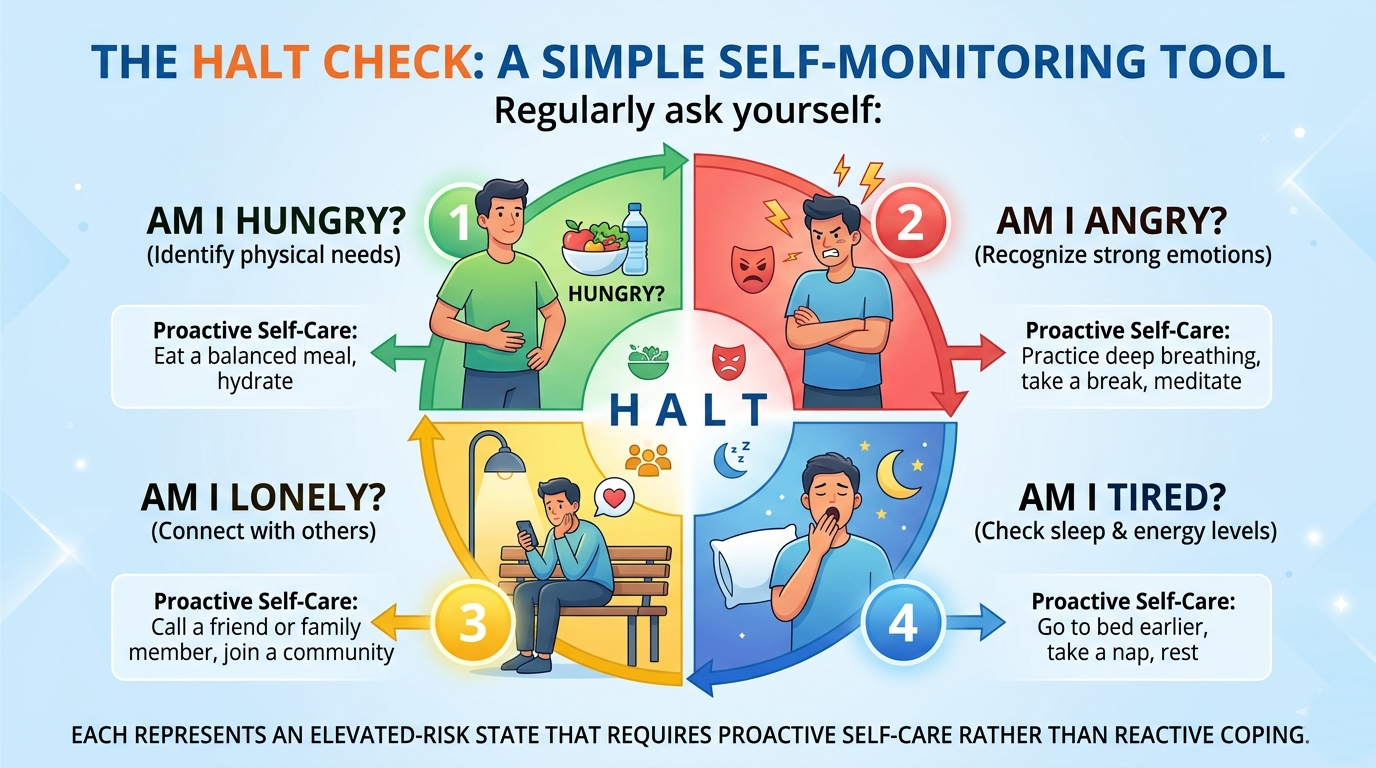
A trigger is any internal state (emotion, thought, physical sensation) or external situation (place, person, event) that produces a craving or urge to drink. Identifying and developing strategies for managing personal triggers is one of the most important relapse prevention skills.
Emotional triggers: loneliness, boredom, anxiety, sadness, anger, shame, excitement.
Social triggers: being around drinking friends or family, certain social settings, events associated with past drinking.
Environmental triggers: passing a pub or off-licence, driving a familiar route, hearing certain music.
Physical triggers: pain, fatigue, hunger, illness.
7.2 Building a Recovery Support Network
Attend AA, SMART Recovery, or another peer support group regularly, ideally weekly or more frequently in early recovery.
Establish a relationship with a sponsor, mentor, or peer recovery coach.
Maintain open, honest communication with trusted family members and friends about your recovery.
Consider ongoing individual therapy, particularly during high-stress periods, as a preventive resource.
Connect with community resources: sober social groups, recovery community organizations, faith communities.
7.3 Lifestyle Changes That Support Sobriety
Exercise: Regular physical activity reduces cravings, improves mood, restores dopamine regulation, and provides a healthy reward cycle. Evidence strongly supports exercise as a relapse prevention strategy.
Sleep: Prioritize consistent, quality sleep, sleep deprivation is one of the most potent relapse triggers. Consider sleep hygiene interventions and medical support if insomnia persists in early recovery.
Nutrition: Alcohol depletes key nutrients (B vitamins, zinc, magnesium, folate). A nutrient-rich diet supports physical recovery, mood regulation, and brain healing.
Mindfulness and stress management: Regular mindfulness practice has strong evidence for reducing cravings and preventing relapse. Even 10 minutes per day produces measurable benefits.
Purposeful activity: Recovery is most sustainable when the person has meaningful occupational, social, creative, or spiritual engagement to replace the central role alcohol previously occupied.
7.4 Supporting a Loved One With Drink Addiction
Loving someone with AUD is exhausting, frightening, and often isolating. Effective support requires both compassion and firmness, refusing to enable the addiction while maintaining the relationship and communicating genuine care. Here is what research and clinical experience show works:
Learn about AUD as a medical condition, understanding the neuroscience of addiction transforms perspective from moral judgment to compassionate concern.
Seek support for yourself: Al-Anon and Alateen provide peer community specifically for family members of those with AUD.
Do not cover for, minimize, or excuse drinking behaviour, these enabling patterns protect the addiction, not the person.
Express concern calmly and at a time when the person is sober. Use 'I' statements: 'I am worried about you because...' rather than accusatory language.
Set and maintain clear, compassionate boundaries around what you will and will not accept.
Understand that you cannot force recovery. Change comes from within the person; your role is to reduce barriers, not to control the outcome.
8. Expanding Your Understanding in Blinge Drinking
8.1 Binge Drinking and Its Dangers
Binge drinking, defined as consuming enough alcohol in a single session to raise blood alcohol concentration to 0.08 g/dL or above (approximately 4+ drinks for women and 5+ for men in two hours), is one of the most common and dangerous patterns of alcohol use, particularly among young adults. Even without physical dependence, binge drinking carries severe acute risks: alcohol poisoning, accidents and injuries, impaired judgment leading to unsafe sexual behaviour or violence, aspiration of vomit, and cardiac arrhythmias. Binge drinking patterns in early adulthood are also a significant predictor of later AUD development.
8.2 Alcohol and Mental Health: The Co-Occurring Condition
The co-occurrence of AUD with mental health disorders, sometimes called dual diagnosis or co-morbid conditions, is the rule rather than the exception. Research suggests that more than 50% of people with AUD also meet criteria for at least one mental health disorder. Common co-occurring conditions include major depression, anxiety disorders, PTSD, ADHD, and personality disorders. Effective treatment for dual diagnosis requires integrated care that addresses both the addiction and the mental health condition simultaneously, treating one without the other leads to poor outcomes for both.
8.3 The Role of Nutrition in Alcohol Recovery
Chronic alcohol use causes extensive nutritional damage. Alcohol impairs nutrient absorption in the gut, causes direct organ damage that reduces metabolic efficiency, displaces nutritious food with empty calories, and depletes specific nutrients through increased urinary excretion. Key nutritional interventions in recovery include: thiamine (Vitamin B1) supplementation to prevent and treat Wernicke's encephalopathy; folate, B6, and B12 repletion; zinc and magnesium supplementation; adequate protein for neurotransmitter synthesis; and omega-3 fatty acids for neuroinflammation reduction and brain healing. Working with a registered dietitian during recovery can significantly accelerate physical restoration.
8.4 Alcohol, Youth, and Prevention
The adolescent brain is uniquely vulnerable to the effects of alcohol. The prefrontal cortex, which governs decision-making, impulse control, and risk assessment, is not fully developed until the mid-twenties, meaning young people experience stronger reward effects and weaker inhibitory control when drinking. Early-onset drinking is associated with significantly elevated risks of AUD, educational underachievement, mental health problems, and risky behaviour. Effective prevention programs for young people focus on delaying onset of drinking, building emotional regulation and social skills, addressing peer influence, and creating alcohol-free environments and social norms.
8.5 Alcohol and Pregnancy: Fetal Alcohol Spectrum Disorders (FASDs)
There is no safe level of alcohol consumption during pregnancy. Alcohol crosses the placenta freely and is profoundly toxic to the developing fetal brain and nervous system. Fetal Alcohol Spectrum Disorders encompass a range of permanent conditions caused by prenatal alcohol exposure, including intellectual disability, learning difficulties, attention problems, behavioural challenges, and characteristic facial features. FASDs are the leading preventable cause of intellectual disability in the developed world. Women who are pregnant or planning to become pregnant should abstain from alcohol entirely.
8.6 Alcohol and the Workplace
AUD has significant economic consequences at the organizational level. Absenteeism, presenteeism (being present but underperforming), accidents, disciplinary issues, and turnover related to alcohol use cost employers billions annually. Many progressive organizations now implement Employee Assistance Programs (EAPs) that provide confidential counselling and referral services for employees with alcohol concerns. Workplace alcohol policies should balance accountability with compassionate support, punitive-only approaches drive alcohol problems underground rather than resolving them.
8.7 Harm Reduction Approaches
Abstinence is not always the immediate goal of every person with AUD. Harm reduction approaches, which aim to reduce the negative consequences of drinking rather than requiring immediate cessation, have a growing evidence base and play an important role in reaching people who are not yet ready for full abstinence. Strategies include: setting and maintaining lower drinking limits; switching from spirits to lower-alcohol beverages; never drinking on an empty stomach; alternating alcoholic drinks with water; designating alcohol-free days; and using brief interventions and monitoring apps. Harm reduction is a compassionate, pragmatic approach that keeps people engaged with support services while reducing immediate risks.
9. Recovery Resources and Support Organizations
Organization | What They Offer | How to Access |
Alcoholics Anonymous (AA) | 12-step peer support groups; sponsor relationships; global fellowship | aa.org | Search local meetings online |
SMART Recovery | Science-based, non-12-step peer support; focuses on CBT and motivational tools | smartrecovery.org | Online and in-person meetings |
Al-Anon / Alateen | Peer support specifically for family members and friends of people with AUD | al-anon.org | Global meeting directory |
SAMHSA (USA) | National helpline; treatment locator; educational resources | 1-800-662-4357 | samhsa.gov |
NHS Alcohol Support (UK) | GP referrals; community alcohol teams; residential treatment commissioning | nhs.uk | Your local GP surgery |
Drinkaware (UK) | Educational resources; drink diary tools; advice on cutting down | drinkaware.co.uk |
Alcoholics Anonymous (Global) | Meetings in 180+ countries; online meetings available | aa.org | international directories |
National Alliance on Mental Illness (US) | Dual diagnosis support; mental health and addiction resources | nami.org | 1-800-950-NAMI |
FRANK (UK) | Confidential drugs and alcohol advice for young people | talktofrank.com | 0300 123 6600 |
Conclusion: Recovery Is Possible , And You Do Not Have to Face It Alone
Drink addiction is a serious, complex, and frequently devastating condition. It alters the brain, devastates the body, fractures relationships, and can rob a person of years, decades, or ultimately their life. But it is also a condition from which millions of people worldwide have recovered, fully and permanently, to live meaningful, sober, and flourishing lives.
Recovery is not easy, and it is rarely linear. It requires honesty about the problem, willingness to seek help, professional and peer support, sustained effort, and the compassion to treat yourself or your loved one with the patience that genuine healing demands. Relapse, if it occurs, is not the end of the story, it is information about what still needs to be addressed.
If you recognize yourself or someone you love in the pages of this guide, please take the next step today. Talk to a doctor. Call a helpline. Attend a meeting. The path to recovery begins with a single act of courage, reaching out for help.
You are not defined by your addiction. You are not alone. And recovery is genuinely possible.
Medical Disclaimer:
This article is for general informational and educational purposes only. It does not constitute medical advice, diagnosis, or treatment. Never attempt to detox from alcohol without medical supervision if you are physically dependent, doing so can be life-threatening. Always consult a qualified healthcare professional for personalized assessment and treatment recommendations.